Why Blue-Chip Art Remains the Safest Bet in the Global Art Market
BY EDWARD WILLIAM - AC

The Rise of Blue-Chip Art as an Investment Asset
Over the past three decades, blue-chip art has transformed from a niche interest ofwealthy collectors into one of the most respected alternative investment classes in theglobal financial ecosystem. Much like blue-chip stocks in the financial market, blue-chipartworks represent pieces created by historically important artists whose works havedemonstrated strong market demand, consistent auction performance, and enduringcultural significance.Collectors, investors, museums, and financial institutions alike are increasingly recognizingthe value of blue-chip art. Major auction houses regularly report record-breaking sales,with masterpieces fetching tens or even hundreds of millions of dollars. These works areconsidered relatively stable assets because their value is supported by historicalreputation, museum validation, and strong collector demand.
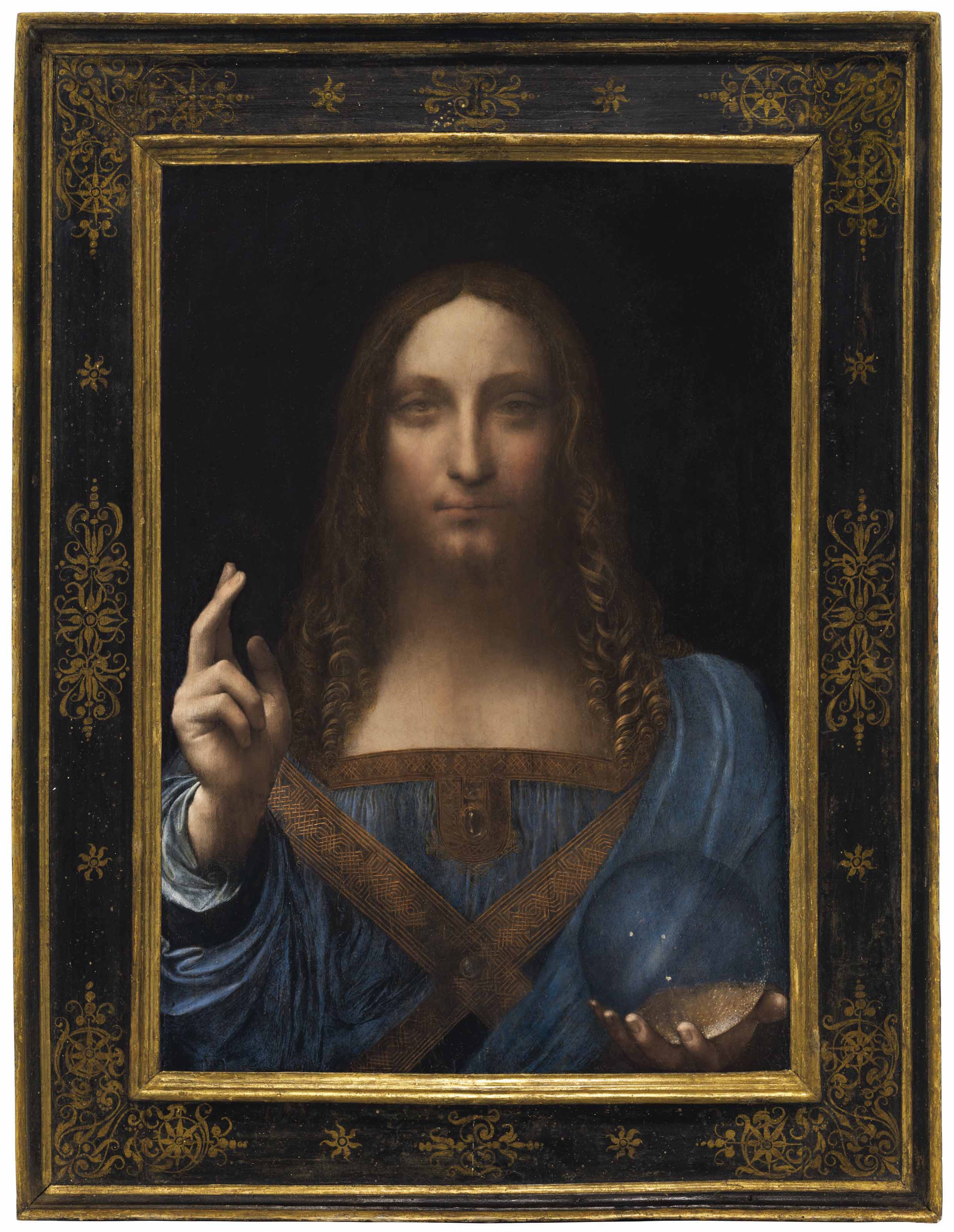
The concept of blue-chip art is rooted in reputation and legacy. Artists whose works fallinto this category typically belong to established movements or have significantly shapedart history. Their works are displayed in major museums and frequently appear atprestigious auctions.In January 2026, the art market continues to demonstrate that blue-chip art is not justabout aesthetic appreciation—it is also about cultural preservation and financial strategy.
What Defines Blue-Chip Art
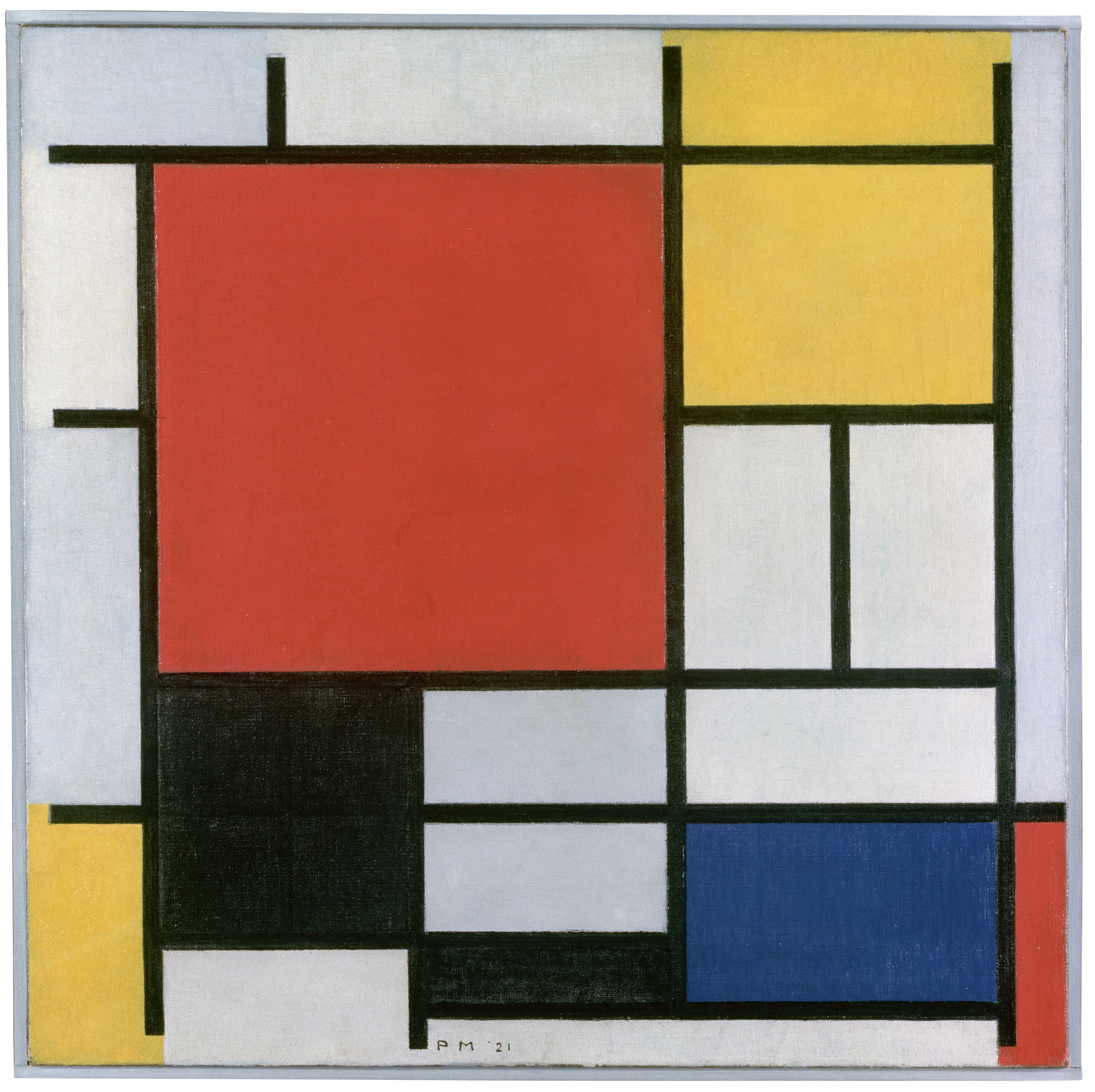
Not every expensive artwork qualifies as blue-chip art. Several key characteristicsdistinguish blue-chip pieces from other artworks.First, the artist must possess a strong historical reputation. Their work should be widelystudied, exhibited in major museums, and discussed in academic circles.Second, blue-chip artworks show consistent performance in the secondary market. Whenpieces repeatedly achieve high prices at auctions over long periods, they gain credibility asreliable assets.Third, institutional validation is critical. Works included in major museum collections,international exhibitions, or biennales gain long-term credibility.Finally, rarity plays an essential role. Limited works, iconic pieces, and historically importantcreations become particularly valuable over time.Collectors often seek works by artists whose careers have already been cemented in arthistory, making their investments safer compared to emerging artists.
Historical Origins of Blue-Chip Art
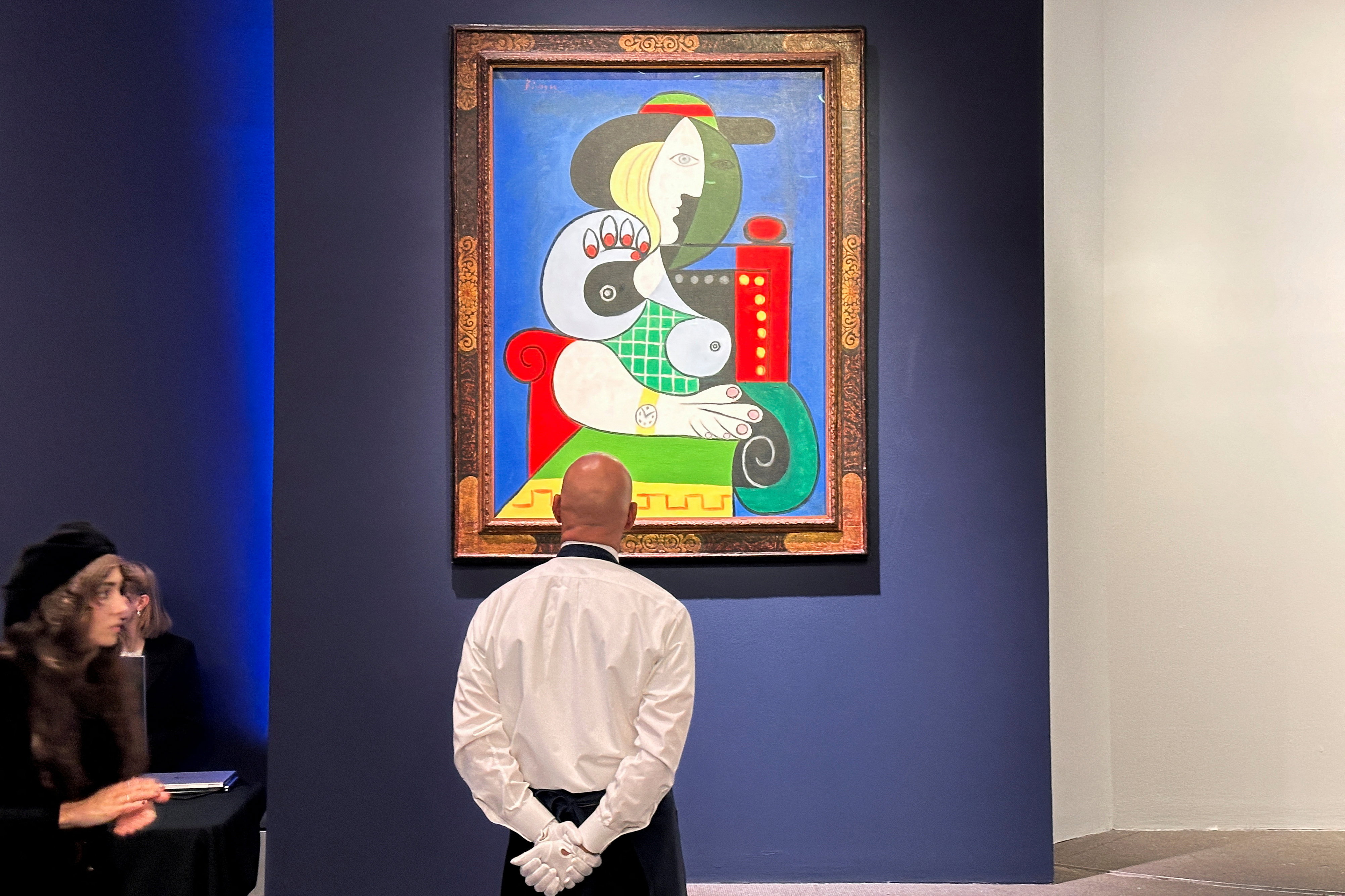
The idea of blue-chip art gained prominence in the late twentieth century when the artmarket expanded rapidly. Wealthy collectors began treating art not only as culturalproperty but also as a form of capital.Post-war modern art became the foundation of the blue-chip category. Artists associatedwith movements like Abstract Expressionism, Pop Art, and Surrealism became highlydesirable in the market.

Why Investors Turn to Blue-Chip Art
One of the main reasons collectors invest in blue-chip art is stability. Compared to emerging artists, established masters have proven market histories. Blue-chip artworks also serve as hedge assets during economic uncertainty. Wealthy investors often shift capital into art when financial markets become volatile. Another advantage is the cultural prestige associated with owning historically significant works. Unlike stocks or bonds, art carries emotional and intellectual value alongside financial worth. In addition, art is a portable asset. High-value works can be stored in specialized facilities and transported globally, making them convenient for international collectors.

The Role of Auctions in Blue-Chip Valuation
Major auction houses play a critical role in establishing the market value of blue-chip artworks. Auction results often serve as benchmarks for collectors and investors. When a work achieves a record price, it can significantly impact the market perception of the artist. Auctions also provide transparency in pricing, something that private gallery sales often lack. Collectors closely monitor auction reports, particularly those from major seasonal sales in cities like New York, London, and Hong Kong. These events often reveal trends that influence the broader art market.

Blue-Chip Art in Museums and Private Collections
Museums play a major role in preserving blue-chip artworks for future generations. Many masterpieces reside in permanent museum collections, where they are studied and exhibited to the public. However, private collectors also hold significant pieces. In some cases, private ownership has allowed artworks to be preserved and later donated to institutions. Large private collections often function like museums themselves, hosting exhibitions and supporting art scholarship. This relationship between collectors and institutions helps sustain the long-term value of blue-chip art.
Risks in Blue-Chip Art Collecting
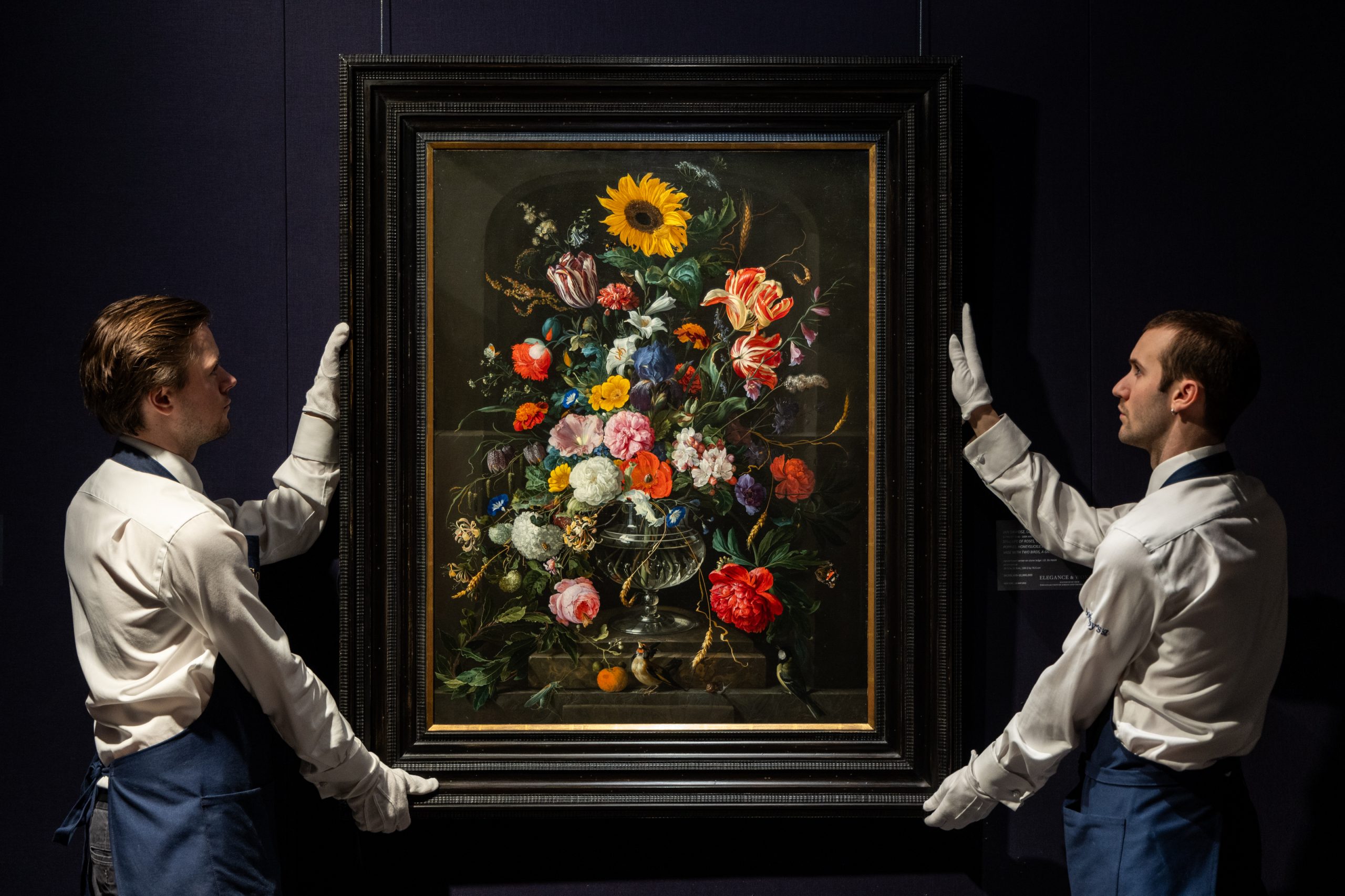
Although blue-chip art is considered relatively stable, it is not completely risk-free. Authentication issues can occasionally arise, particularly for artists with large numbers of works. Provenance—the documented history of ownership—is therefore crucial when purchasing high-value pieces. Market cycles can also influence prices. While long-term values remain strong, short-term fluctuations are possible. Collectors must also consider storage, insurance, and conservation costs. Professional guidance from art advisors, curators, and auction specialists is often essential when acquiring major works.
The Growing Role of Technology in Art Collecting
Technology is beginning to reshape how collectors access the blue-chip art market. Online viewing rooms and digital auctions have expanded access to international buyers. Blockchain technology is also being explored to improve provenance tracking and authenticity verification. Art databases now allow collectors to research historical auction results, exhibition history, and artist market performance. These innovations are making the art market more transparent and accessible than ever before.
The Future of Blue-Chip Art in 2026 and Beyond
As global wealth continues to grow, demand for culturally significant artworks is expected to increase. New collectors from emerging economies are entering the market, bringing fresh energy to art auctions and galleries. At the same time, museums and institutions remain committed to preserving the legacy of great artists. Blue-chip art therefore sits at the intersection of culture, history, and finance. For collectors, owning such works is not only about investment—it is about participating in the preservation of human creativity.