Masters and Mavericks:

Masters and Mavericks:

Masters and Mavericks:

Inside the Blue‑Chip DealerRenaissance of 2026

From Los Angeles to London, how the world’s elite galleries rewrote theplaybook for blue‑chip art in an era of shifting markets, collector demands, and culturalinfluence.The

The first quarter of 2026 has unfolded like a declaration of intent from the world’s leadingblue‑chip art dealers. After years of recalibration following global economic headwinds,geopolitical tension, and evolving collector priorities, a new dealer narrative has takenshape — one that blendscommercial precision with cultural ambition.


By  Brenda Garcia
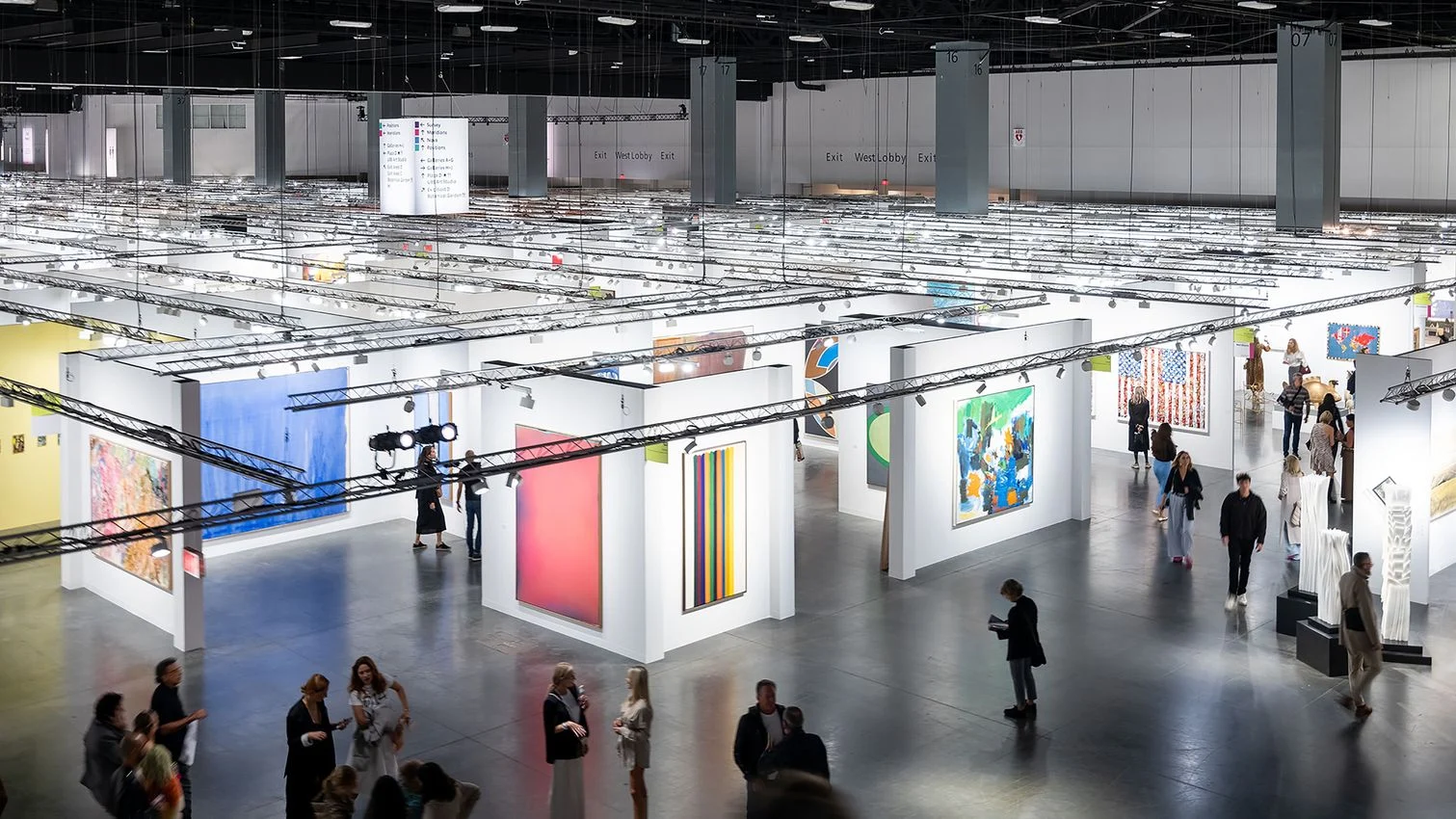
image credit:  

A Turning Point in Los Angeles

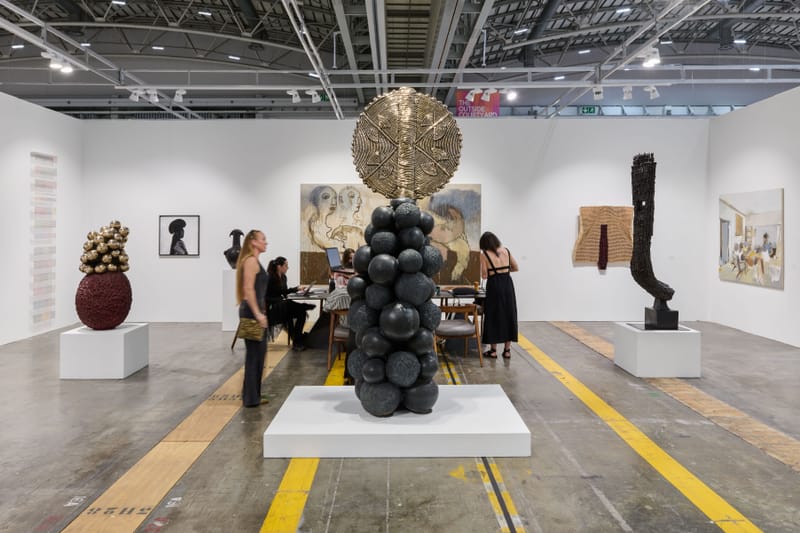
The city of angels has long lived in the shadow of New York and London’s art capitals. Butin earlyMarch 2026, the Los Angeles art scene delivered its most consequential momentyet. AtFrieze Los Angeles, galleries both global and local presented an array of blue‑chipworks, commanding attention from institutional and private collectors alike. Fromtowering modernist masterpieces to incisive contemporary installations, the fair became alitmus test for market confidence. Dealers reported brisk sales, pre‑opening VIPtransactions, and a renewed sense of collector engagement that many had speculatedmight have waned. For dealers likeGagosianandDavid Kordansky Gallery, presence was not merelytransactional. It was a statement — an investment in a cultural ecosystem where the linesbetween Hollywood glamour and serious art patronage blur with every opening night galaand collector dinner.


image credit: 

The Dealer’s Dilemma: Growth Through Strategy

The narrative in early 2026 has not been one of sheer expansion, but ofadaptive strategy.The dealers most successful this quarter are those embracing ahybrid blueprint— onethat balances blue‑chip masterworks with emerging voices, digital engagement, andalternative fair participation. Instead of viewing adjacent satellite fairs as competition,savvy galleries haveco‑opted them as strategic platforms, diversifying how and wherethey surface work to collectors who crave discovery as much as ownership.
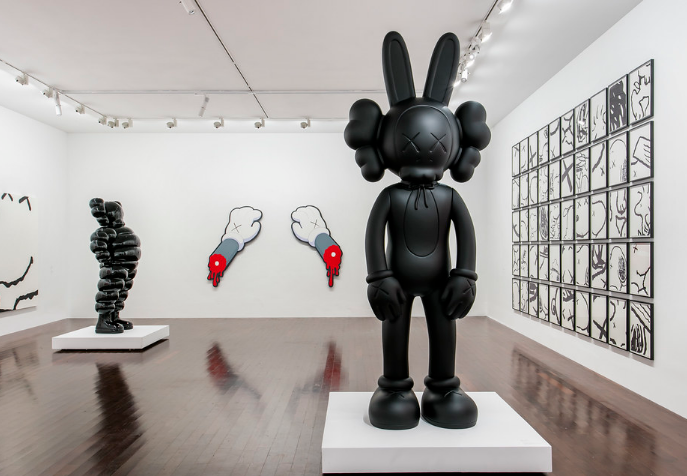

image credit: 

The Collector Landscape: Beyond Price Tags

What distinguishes this era is thecollector mindset. While headline‑grabbing pieces —think Picasso, Warhol, Richter — still command media attention, an equally potent force istheinformed collectorwho seeks depth over spectacle. These buyers are investing innarratives: works with rigorous provenance, curatorial clarity, and a sense of intellectual orhistorical weight.For blue‑chip dealers, this means a shift from transactional selling torelationship building— guiding collectors through longitudinal value propositions rather than one‑off purchases.

Opportunities and Risks in a Fragmented Market

The post‑pandemic art market remains uneven. Auction houses occasionally signal softness in the secondary market, especially in mid‑tier categories, while dealers on the gallery front line cite strong demand at top‑tier price points. This divergence under scoresa critical reality: blue‑chip galleries must be nimble without sacrificing depth. Dealers have increasingly invested in dual functions: mounting exhibitions that resonate culturally while also serving as strategic sales environments. Whether presenting mid‑career retrospectives or commissioning ambitious installations, the objective is clear—to craft experiences that justify significant outlays, from $1 million works to $20million masterpieces. 
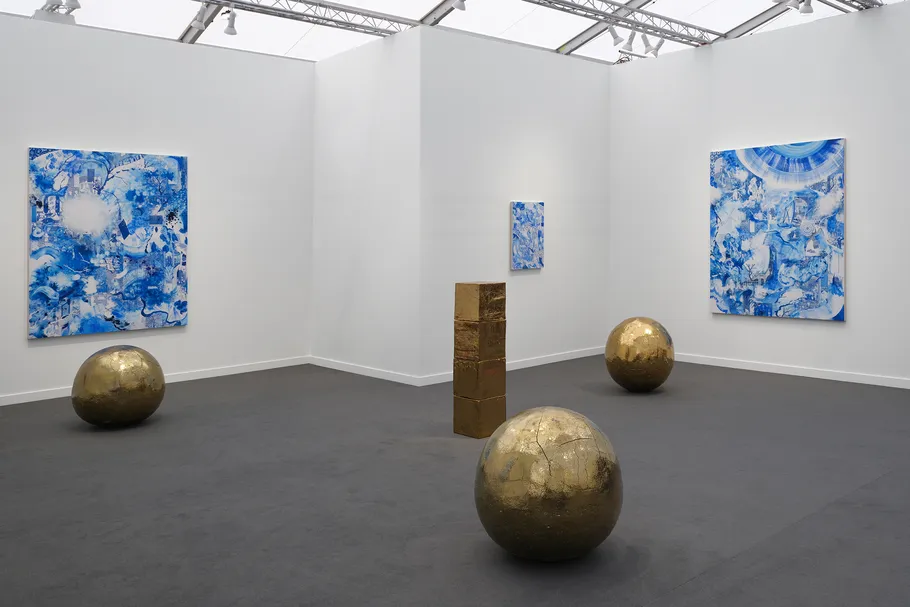

 image credit: 

Cultural Capital Meets Market Mechanics 

Beyond sales figures, the language of cultural capital has returned. Museums, biennales,and institutional acquisitions are once again integral to dealer strategy. When a museumdirector or a gala benefactor chooses a gallery’s artist, the ripple effect is measurableacross both markets and reputational currency.Blue‑chip dealers now operate not only as sellers but ascultural advocates—intermediaries shaping narratives that elevate artists, influence exhibition agendas, andsteer the broader discourse.


The Future of Blue‑Chip Dealing

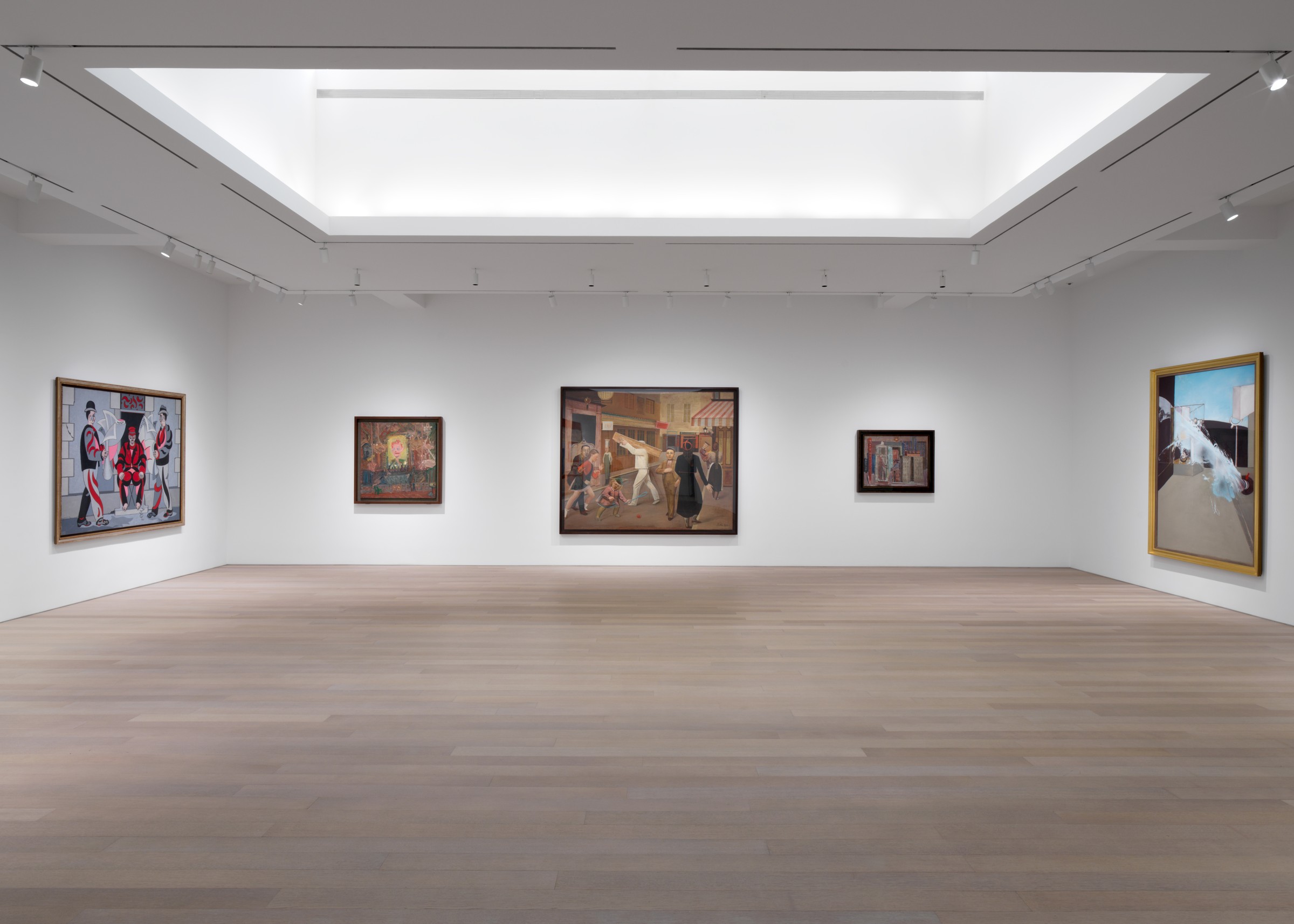
As Q1 2026 closes, the message from the dealer community is unequivocal:blue‑chip artstill matters, but the rules of engagement have evolved. Dealers who thrive will be thosewho balance commercial discipline with cultural sensitivity, who valuelong‑term collectorrelationships over short‑term gains, and who treat each work of art as both a marketasset and a cultural artifact.The renaissance in dealer strategy is more than a trend — it’s a recalibration of the artworld’s heart, wheremastery meets market, and mavericks meet mission.


Read More  
The New Blue‑Chip Vanguard:

The New Blue‑Chip Vanguard:

Masters and Mavericks: Inside the Blue‑Chip DealerRenaissance of 2026

From Los Angeles to London, how the world’s elite galleries rewrote theplaybook for blue‑chip art in an era of shifting markets, collector demands, and culturalinfluence.

By  Brenda Garcia

The art world at the outset of 2026 feels unlike any other moment in recent memory —not because blue‑chip art dealers have suddenly found themselves at a crossroads, butbecause they have collectivelyredesigned the crossroads themselves. Over the firstquarter of the year, industry heavyweights have forged new paths that redefinecommercial ambition, curatorial vision, and the cultural stakes of gallery representation.What was once perceived as a plateau in the blue‑chip market has become, instead, afertile terrain for innovation and strategic recalibration.The narrative of these first months can be understood not through a single event, fair, orexhibition but through a coordinated set of shifts in behavior — at fairs, in galleries, andwithin collector communities. Blue‑chip dealers have stepped out of what felt like adefensive stance after years of global turbulence and entered a phase defined bypurposeful expansion, elevated programming, and renewed collector engagement.


image credit:  

Los Angeles: From Satellite to Center StageIf there has been one geographic pivot that encapsulates the dealer renaissance of early2026, it isLos Angeles. Previously on the periphery of the blue‑chip circuit, LA hasemerged as a true counterpart to New York and London. TheFrieze Los Angelesfair inMarch — far more than a regional fair — became a bellwether of dealer confidence andcollector appetite.The atmosphere on the fair’s opening days was electric: galleries that have longparticipated in the blue‑chip ecosystem came prepared not just with marquee artworksbut withcomprehensive exhibition narratives. Wall texts emphasized thematic coherenceover headline value; VIP previews were curated to offer context as much as spectacle.Dealers spoke openly about cultivatingmeaningful relationships with collectors whoseinterests extend beyond the acquisition of a singular masterpiece.For many galleries, presence in Los Angeles was strategic — not reactive.Gagosian, forexample, installed a suite of works that created a dialogue between 20th‑centurymodernists and contemporary practitioners, suggesting not just a chronological lineagebut a conceptual continuity. Meanwhile,David Kordansky Gallerypresented a nuancedselection that balanced established blue‑chip figures with rising names poised forlong‑term institutional attention. The underlying message was clear:collectors areinvesting in story as much as artist name.

Sales figures alone cannot fully capture the significance of this moment. Whatdistinguishes LA’s rise is the language ofcurated generosity— galleries offeringexperiences that educate and elevate rather than merely transact.


image credit: flickr.com

Strategy Over Expansion: The New Dealer PlaybookGone are the days when blue‑chip dominance was measured simply by geographicfootprint or the size of booth spaces. In 2026, the dealers at the forefront have embraced anuanced, hybridized strategythat spreads influence without diluting focus.At the core of this strategy is the understanding thatcollector engagement now operateson multiple vectors: physical presence, intellectual resonance, and ongoing dialogue.Dealers have become as fluent in digital storytelling and collector education as they are inthe traditional skills of salesmanship.


image credit: flickr.com

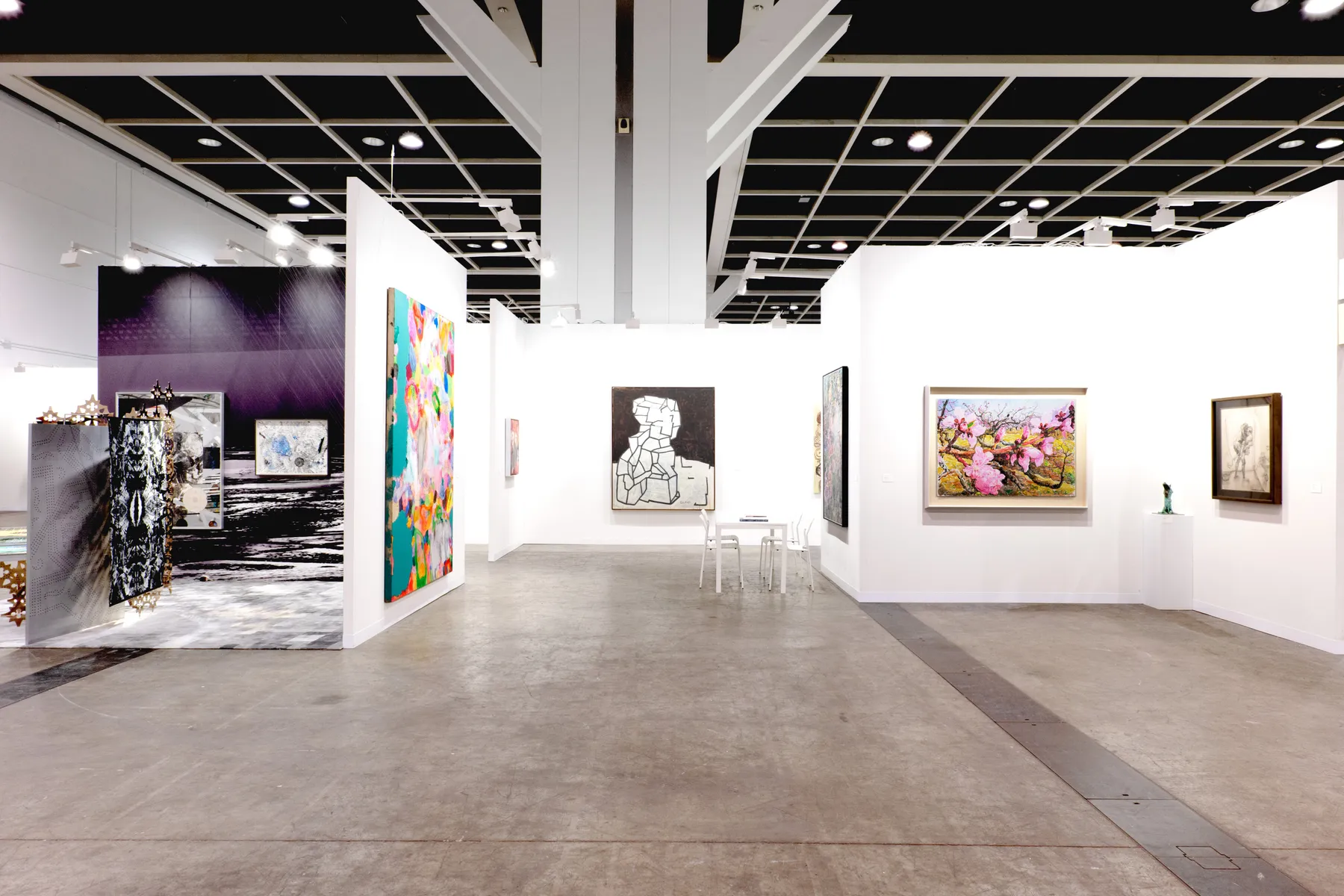
A. Diversifying Fair ParticipationRather than viewing satellite fairs and supplementary events as distractions or competitorsto flagship fairs, forward‑thinking galleries have begun to see them ascomplementaryplatforms. These spaces, often smaller and more experimental, allow dealers toshowcaseworks that might otherwise feel lost among blue‑chip heavyweights. The result has beena diversification of audience and an enrichment of the collector experience.This approach reframes what it means to be “blue‑chip”: it is no longer defined solely byprice tier or artist renown but bycuratorial depth and audience reach.

B. Curatorial Narratives as Selling PointsSales pitches now read more like exhibition texts. Galleries invest in framing each workwithina broader cultural and historical context— offering collectors a sense that they areacquiring not just a piece of art but an idea. Dealers are acting as interpreters, situatingeach acquisition within evolving artistic legacies and collector values.This shift has had a tangible impact on collector behavior. Instead of focusing exclusivelyon known names, many buyers are now actively seekingartists with compellingconceptual arcs, works that bring them into ongoing dialogues about art history, identity,and cultural continuity.

The Collector: From Market Participant to Cultural Agent

The early months of 2026 have seen a notable evolution in the collector profile. While theallure of marquee masterpieces remains undiminished, there is a burgeoning cohort ofbuyers whose priorities reflectlonger‑term cultural engagementrather than short‑termmarket positioning.These collectors seekmeaningful relationships with galleries— ongoing conversationsabout programming, artist development, and contextual relevance. They are lessinterested in acquiring trophies and more invested in understanding thestory behind thework.This shift has reshaped dealer priorities. Galleries report that collectors increasingly askabout theinstitutional trajectory of artists, the potential for museum acquisition orretrospectives, and the ways in which a given work might contribute to broader culturalnarratives. Dealers are responding bycurating portfolios that emphasize depth overnovelty, and by offering more robust educational resources during exhibition previewsand private viewings.

Navigating Market Dynamics: Opportunities and Risks

Even as blue‑chip dealers find new footing, the broader art market remains a mosaic ofuneven signals. Auction houses report fluctuations in certain categories, particularlyamong mid‑tier artists whose secondary market performance has yet to stabilize. At thesame time, demand for the highest tier of blue‑chip names — from canonical moderniststo established contemporary figures — remains strong.This divergence underscores a fundamental challenge for dealers:how to navigate amarket that is both robust at the top and unsettled in the middle. The answer, for manygalleries, lies instrategic curation and audience cultivation.Rather than broadening their rosters indiscriminately, leading dealers are focusing ondeepening relationships with a carefully selected group of artists whose work meritssustained attention. This method reinforces confidence among collectors and positionsgalleries asthoughtful stewardsof artistic legacies.


Cultural Capital and Institutional Influence

Blue‑chip dealers have always operated at the intersection of market and culture, but in2026 their role ascultural intermediarieshas been particularly pronounced. Museums,

biennales, and institutional acquisitions now factor heavily into dealer strategy. A museumexhibition or major institutional purchase can elevate an artist’s profile far beyond thecommercial sphere, creating ripple effects across markets and collector networks.Dealers have responded by cultivating closer relationships with curators and institutionalleaders, inviting them into gallery spaces early in the development of exhibitions andworking collaboratively on long‑range programmatic visions. This cultural partnership notonly enhances the visibility of artists but also enriches the narrative frameworks galleriesbring to collectors.

Looking Ahead: The Future of Blue‑Chip Dealer Practice

As the first quarter of 2026 draws to a close, one thing is clear: the world’s blue‑chip artdealers are not retracing old patterns, nor are they reacting passively to market forces.They are proactively shaping the conditions of their own success.This renaissance of dealer practice  characterized by strategic growth, curatorial depth,collector engagement, and cultural advocacy suggests a market that values intellectualrigor as much as financial performance.Blue‑chip dealing in 2026 is not merely about transacting high‑value artworks; it is aboutcreating ecosystems in which art can be understood, appreciated, and sustained. It is amoment when mastery meets market, and mavericks guided by vision as much asexpertise redefine the contours of the art world itself.

Read More  
The New Blue‑Chip Vanguard:

The New Blue‑Chip Vanguard:

The New Blue‑Chip Vanguard: Dealer Innovation in theContemporary Art Market


How leading galleries are reimagining the business of blue‑chip art fromcurated experiences and digital bridges to global collector networks.In the ever‑evolving landscape of contemporary art, the definition ofblue‑chipisundergoing a transformation as profound as any shift in artistic practice itself. Where oncethe term denoted only the highest transactional tier works by unmistakable masterscommanding staggering prices now it speaks to a broader constellation of qualities:curatorial ingenuity, collector engagement, narrative resonance, and technology 2026, a new vanguard of dealers is emerging, one that marries the traditional strengthsof blue‑chip stewardship with fresh strategies designed for an audience that valuesexperience, community, and meaningas much as market value.This second quarter feature delves into the ways leading galleries are innovating fromtheir approaches to exhibition design to the deployment of digital platforms, fromcultivating collector networks to forging deeper connections between art, place, andpublic discourse. What follows is a close look at how the dealers at the apex of the marketare shaping the blue‑chip sector for a generation that demandsintellectual engagementas part of artistic investment.


By  Edward William - AC


image credit:  


Curated Experiences: Redefining Exhibition as Encounter

In 2026, blue‑chip gallery exhibitions are no longer static displays of works behind velvetropes. Instead, they areimmersive environments— carefully choreographed encountersthat invite viewers to engage with art on multiple sensory and intellectual levels.Leading dealers have embraced this shift wholeheartedly. In major galleries from Londonto Los Angeles, exhibitions are now conceived with narratives that unfold like carefullyplotted essays. Visitors enter spaces that are as much aboutatmosphere and storytelling as they are about the individual artworks. These installations employ lighting, spatialrhythm, and architectural interventions to create environments where works resonate withone another and with viewers.


image credit:  


Digital Bridges: Technology as Curatorial AllyDealer innovation in 2026 is not limited to physical spaces. Increasingly, galleries areleveraging digital technologies toextend the reach and relevanceof blue‑chip art beyondthe walls of exhibition spaces.Several high‑profile galleries have launcheddigital viewing roomsthat function not just ascatalogs but as dynamic platforms for engagement. These spaces offer high‑resolutionimagery, contextual essays, artist interviews, and interactive timelines that illuminate awork’s significance. For collectors unable to attend in person — whether due to geographyor global travel constraints — these digital environments provide a rich,synchronousexperiencethat closely parallels a gallery visit.But the most exciting dimension of digital innovation lies in the integration ofaugmentedreality (AR)andimmersive visualization. Galleries now offer AR previews that allowcollectors to see exactly how a work might interact with their own spaces — not merely asscaled renderings but aslive overlaysthat respond to light, texture, and context. Theresult is a profound shift in how collectors evaluate works before acquisition: instead ofimagining a piecein their home or office,they canseeit there.


image credit:  


This digital bridge has become especially valuable in forging connections with youngercollectors, who gravitate toward tech‑forward experiences. Rather than seeing technologyas a threat to art’s aura, dealers have embraced it as acuratorial allythat enhancesunderstanding, accessibility, and confidence in acquisition.


Global Collector Networks: Cultivating Community Across Borders

In the past, blue‑chip dealers often relied on exclusive circles of patrons concentrated intraditional hubs like New York, London, and Paris. In 2026, collector demographics arebroader, more varied, and richer in intercultural exchange. Dealers are responding bycultivatingglobal networksthat transcend geography and traditional social circuits.This approach is not merely transactional; it is relational. Galleries now invest significantresources in buildingcollector education programs— intimate salons, thematic lectures,artist‑led dialogues, and cross‑cultural residencies that invite collectors into sustained,thoughtful exchanges with practitioners and curators alike.For example, a top‑tier gallery might host a series of roundtable discussions that connectcollectors from Asia, the Middle East, Europe, and the Americas, each focused on sharedthemes such as materiality, diasporic identity, or the politics of representation. Theseforums are structured not as sales pitches but asintellectual incubatorsthat deepenappreciation and understanding. Through these initiatives, collectors become part of aglobal community of inquiry, bonded by curiosity as much as by investment.Such networks extend the blue‑chip ecosystem beyond the art object itself. They generatedialogue, context, and shared cultural capital, allowing galleries to offer collectorssomething that cannot be measured by price alone: a sense of belonging to a dynamic,informed, and interconnected art world.


image credit:  

Strategic Partnerships: When Dealers Become Cultural Collaborators

Another defining trend of the new blue‑chip vanguard is the rise ofstrategic partnershipsbetween dealers and institutions outside the traditional gallery sphere. Rather thanpositioning themselves in opposition to museums, biennales, and cultural festivals, manyleading galleries have assumed roles ascollaborators, co‑curators, and intellectualpartners.

These collaborations take many forms:

Co‑curated exhibitionsthat travel between private gallery spaces and institutionalvenues.Joint commissioning programsthat fund ambitious site‑specific works.Educational initiativesthat integrate gallery exhibitions into public programming atmuseums or cultural centers.These alliances do more thanshare audiences; they weave galleries into thecultural fabricof their cities and regions. When a museum director and a gallery curator work together topresent an exhibition, the resulting synergy amplifies artist visibility, energizes publicdiscourse, and enriches the collector’s understanding of a work’s significance.Dealers engaged in these partnerships find that their role expands beyond the showroom.They becomecultural stewards, shaping narratives that matter not only to collectors butto the broader public. In an era where cultural relevance and commercial success areincreasingly intertwined, this expanded role has become a hallmark of the mostforward‑thinking blue‑chip dealers.

A New Ethos of Value: Beyond Price, Toward Purpose 

All of these innovations — experiential exhibitions, digital engagement, global networks,strategic partnerships — converge toward a fundamental shift in how value is understoodin the blue‑chip market. In 2026, value is no longer measured solely in price per squareinch or auction record. It is measured inpurpose, presence, and impact.Collectors increasingly ask dealers notwhata work costs butwhyit matters: Why is thisartist significant now? How does this work engage with cultural, historical, or philosophicaldiscourse? What does this acquisition say about my own role as a patron of art?Dealers who embrace this ethos of value find themselves at the forefront of marketevolution. They position their galleries not as marketplaces but asforums for engagement— spaces where art’s meaning is actively discussed, contested, and celebrated.This shift has practical implications for market behavior. Works that sit at the intersectionof cultural relevance and conceptual depth attract sustained interest. Collectors are willingto invest in artist trajectories that resonate with ideas, identities, and narratives they careabout. Price becomes areflectionof value, not its sole arbiter.

Challenges and Horizons: Navigating Complexity with Confidence

None of this is to suggest that the blue‑chip market is without its challenges. Economicuncertainties, regional instabilities, and the perennial tension between accessibility andexclusivity persist. But the dealers who are shaping the market’s future are doing so withstrategic clarity and intellectual ambition.They recognize that blue‑chip art is not static; it is an ecosystem that thrives oninnovation, engagement, and interpretive depth. By building experiences that resonateemotionally and intellectually, by fostering global communities of collectors, and bybridging the physical and digital spheres, they are redefining what it means to operate atthe pinnacle of the art world.In the new blue‑chip vanguard, dealers are no longer merely purveyors of prized objects.They are cultural translators, visionary curators, and community builders. And in doingso, they are not only sustaining the market — they are enriching it.


Read More