The New Basel Blueprint: Reimagining Prestige in 2026

The New Basel Blueprint: Reimagining Prestige in 2026

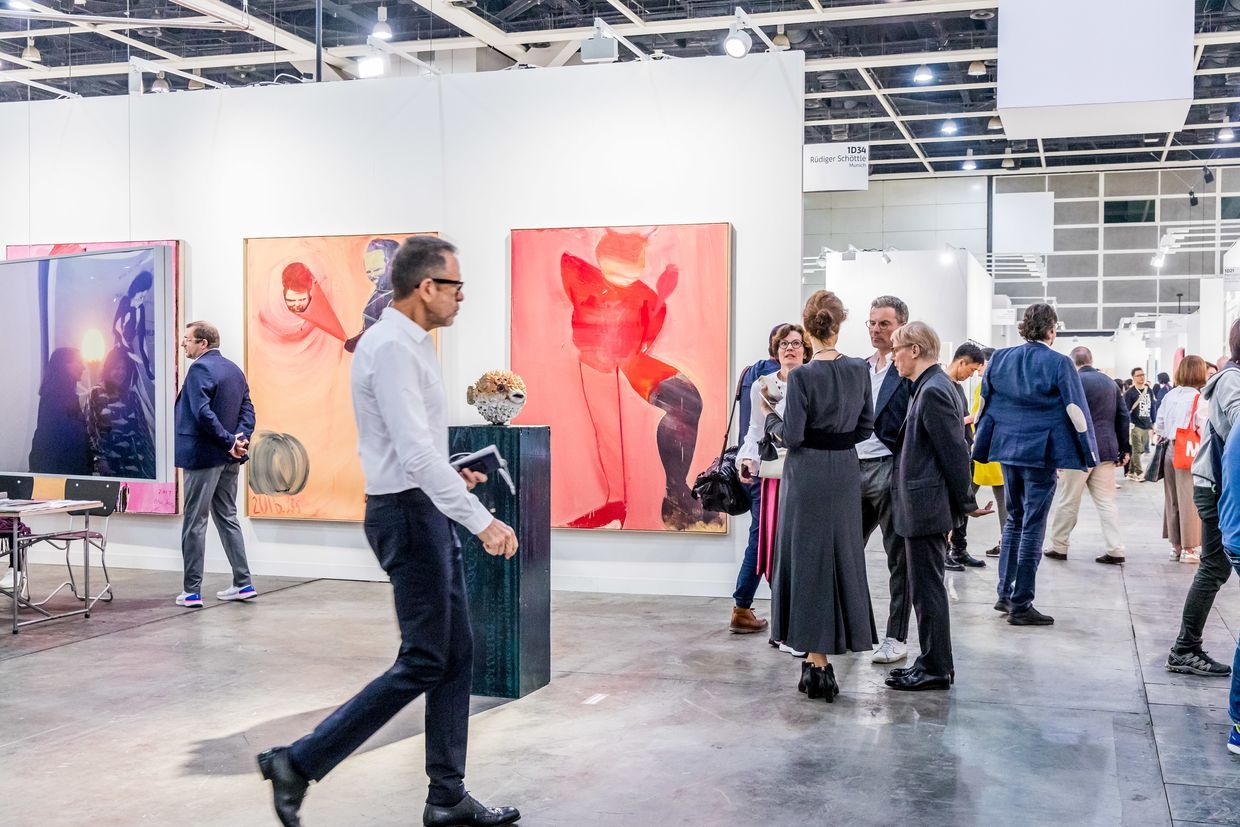
When Art Basel opens its doors again in Basel — the fair’s spiritual home — in 2026,insiders will be watching not just for marquee names and blockbuster sales, but for thesubtler recalibration of what blue‑chip prestige means in an art world that has weatheredmarket contraction, geopolitical upheaval, and the rise of non‑traditional arenas of culturalinfluence. Art Basel has always been more than an art fair; it is market ritual, collectorpilgrimage site, and — increasingly — a strategic hub in global cultural diplomacy.

How Art Basel’s 2026 Swiss Edition Redrew the Rules of Global Blue‑ChipDiplomacy

By  Amy Lopez


When Art Basel opens its doors again in Basel — the fair’s spiritual home in 2026,insiders will be watching not just for marquee names and blockbuster sales, but for the subtler recalibration of what blue‑chip prestige means in an art world that has weather demarked contraction, geopolitical upheaval, and the rise of non‑traditional arenas of cultural influence. Art Basel has always been more than an art fair; it is market ritual, collector pilgrimage site, and increasingly a strategic hub in global cultural diplomacy.
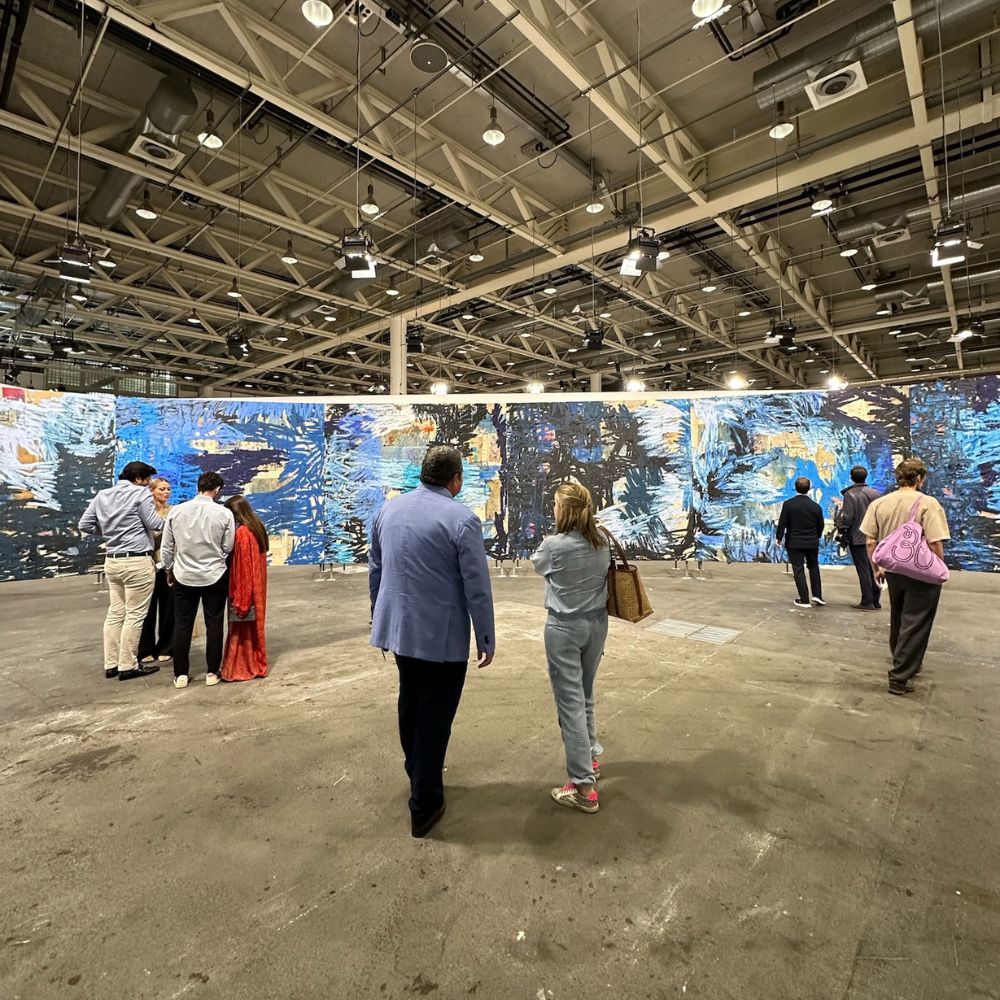
Image source: Flickr

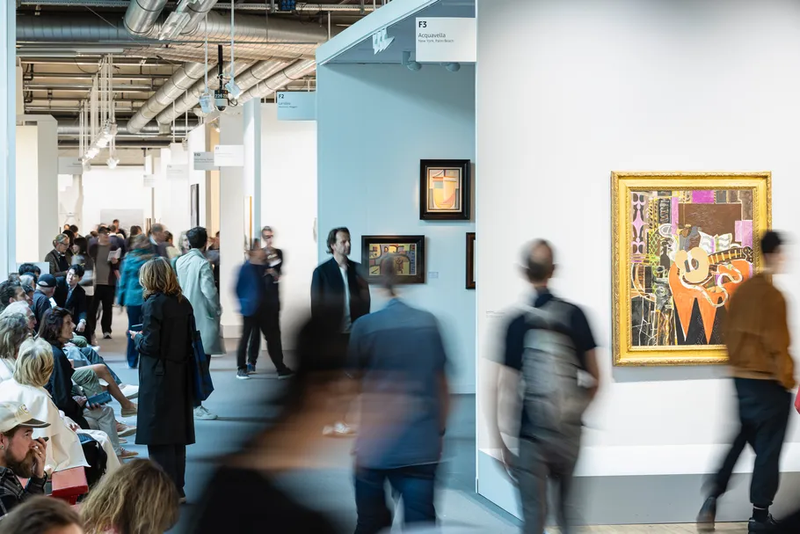
From Basel to the World: A Fair in FluxWith 290 gallery participants representing over four dozen countries, the 2026 Baseledition stands as a testament to the fair’s enduring magnetism for power collectors andinstitutional curators alike. Yet beneath the impressive roster lies a shifting zeitgeist:

galleries and stakeholders are navigating a marketplace where exclusivity no longer simplymeans price tags, but means cultural relevance, narrative control, and experiential curation.In previous years, success was measured in trophy works and record sale figures. In 2026,the conversation has expanded to encompasscultural capital, with galleries seeking toshape the fair’s narrative arcs through thematic clusters, immersive installations, andcross‑disciplinary dialogues. Basel is no longer just a sales floor — it is a stage on whichglobal art discourseis written and rewritten.
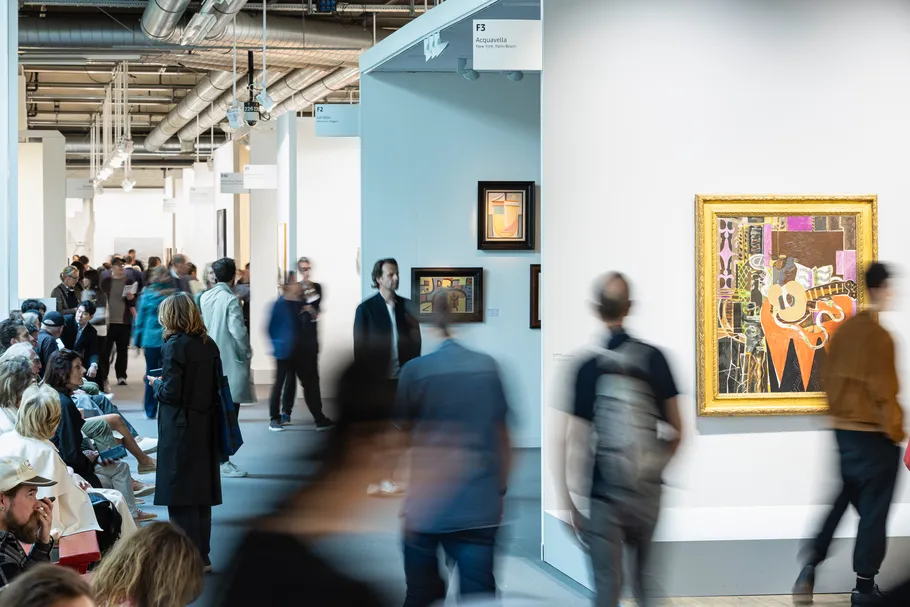
The New Collector ProfileCollectors today are a more heterogeneous cohort than a decade ago. Alongsideestablished Western patrons, there is an unmistakable rise of collectors emerging fromAsia, the Middle East, and beyond, who bring different collecting philosophies andinstitutional ambitions. Their presence at Basel reflects not just purchasing power but adesire to shift how artistic value is defined on a global scale.Dealers have adapted accordingly. In 2026, it’s not uncommon to see galleries framingtheir offerings with bespoke intellectual programming — salon discussions, curatorwalk‑throughs, and digital experiences — aimed at engaging these sophisticated newparticipants in ways that extend beyond transactional exchange.Beyond the Booth: Curatorial FuturesCuratorial programming at Basel 2026 has increasingly adopted athematic resonancethatspeaks to urgent global concerns: ecology, post‑colonial narrative reclamation, digitalhybridity, and embodied identity. Galleries are no longer merely showing art; they arestaging arguments — and Basel’s architecture is responding.From specially commissioned site‑specific works to AI‑enhanced immersive environments,the fair blends high art craftsmanship with emerging conceptual technologies. It’s a terrainwhere tradition meets innovation, inviting attendees to ponder not onlywhatthey arelooking at, butwhyit matters in the unfolding cultural moment.A New Language of ValueIn past cycles, the Basel world was dominated by auction house buzz, market indexes, andheadline sales numbers. Today, value is as much aboutnetwork ecologythe quality ofintellectual affiliations, museum commitments, and secondary market resonance as about high‑water prices.

 Venues that once competed primarily on rarity now compete on relevance: who curatedthe most compelling narrative arc, whose pavilion sparked the most meaningful scholarlyinterest, whose programming best captured the spirit of a globally connected artecosystem. 

Read More  
Asia’s Art March:                        Hong Kong at the Heart of the Blue‑Chip CircuitA Week That Redefined Asia’s Place in the Art World’s Elite Calendar

Asia’s Art March: Hong Kong at the Heart of the Blue‑Chip CircuitA Week That Redefined Asia’s Place in the Art World’s Elite Calendar

Asia’s Art March: Hong Kong at the Heart of the Blue‑Chip CircuitA Week That Redefined Asia’s Place in the Art World’s Elite Calendar

Every March, the pulse of the international art market shifts eastward. InHong Kong, a citylong positioned as a nexus between East and West, Art March has evolved from a regionalcuriosity into a central forum for global blue‑chip dialogue. With major fairs, museumopenings, and institutional programming converging in one concentrated calendar, 

HongKong’s Art March 2026 was nothing less than a declaration:Asia matters and on its ownterms.


BY EDWARD WILLIAM - AC


The Anatomy of a Cultural Metropolis

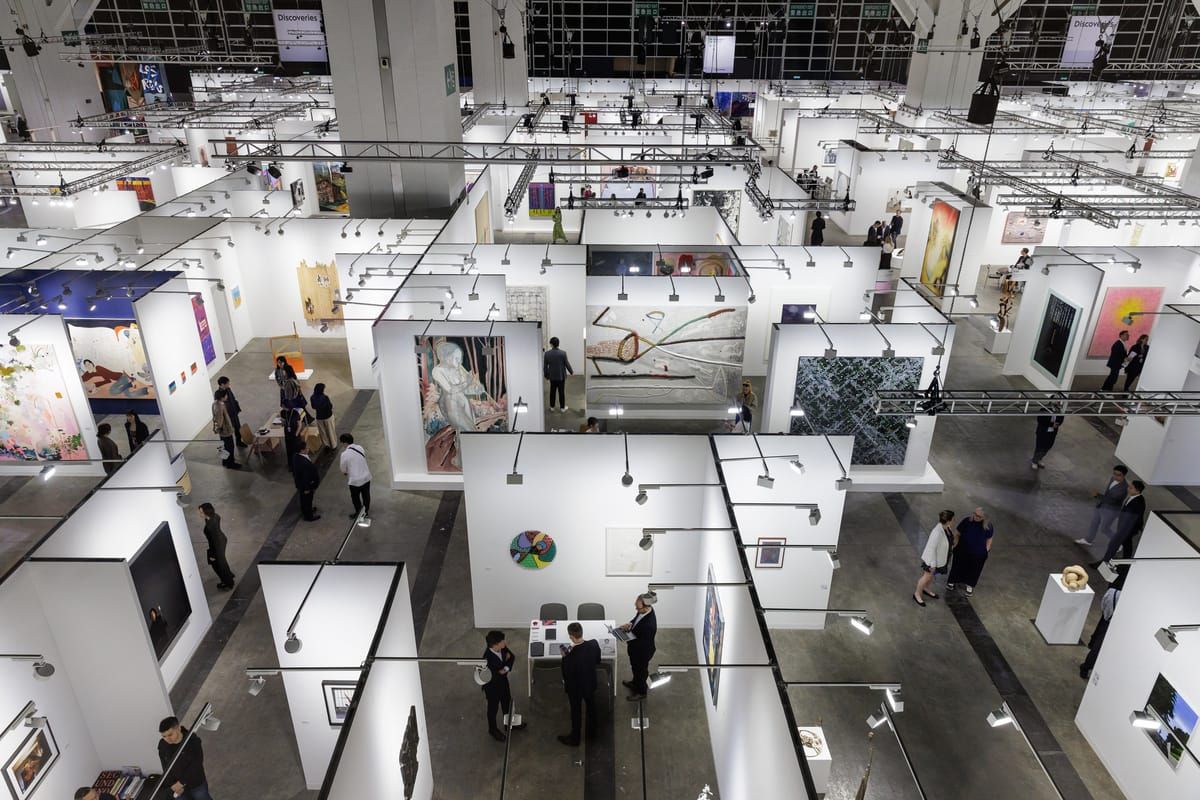
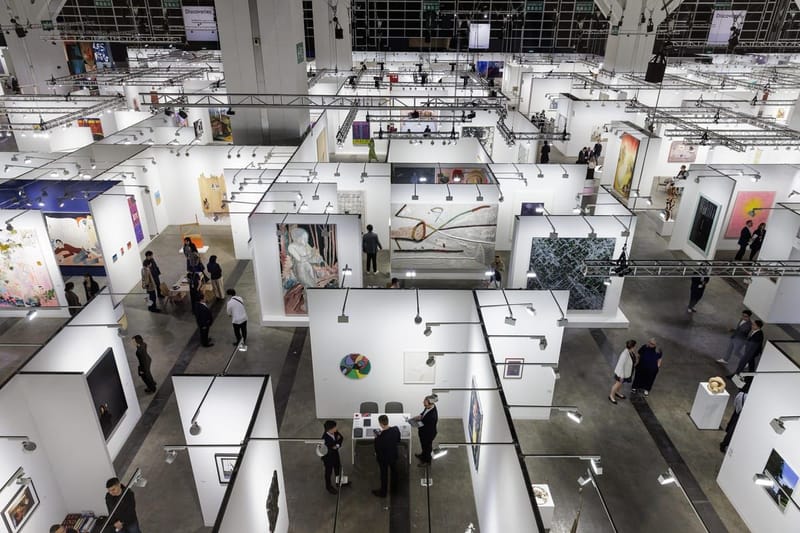
Art Basel Hong Kong remains the centerpiece of this month’s cultural choreography — notsolely because of its prestige, but because of thecontextin which it exists. Galleries andcollectors from Beijing, Seoul, Tokyo, Singapore, Dubai, Europe, and North Americadescend into the city, converging at the Hong Kong Convention and Exhibition Centre fora fair experience that blends commerce with cosmopolitan flair.

The fair’s program is meticulously balanced: established blue‑chip galleries anchor themain halls with canonical works from post‑war masters alongside key contemporaryfigures, while satellite sections and curated sectors amplify emerging voices from acrossthe Asia‑Pacific.Collectors often speak of thefirst lookpreview — an opening that resembles a theatricalpremiere more than a commercial event — wherein the truly consequential transactionsand cultural commitments are whispered among the elite long before the public daysbegin

Curatorial Layering: Beyond the Marketplace

What differentiates Hong Kong’s Art March from other fairs is itslayered culturalinfrastructure. Museums such as M+, Para Site, and Tai Kwun host concurrent exhibitionsthat range from retrospective surveys to cutting‑edge installations, allowing fairgoers totransition — almost seamlessly — between blue‑chip market spaces and deep scholarlyengagement.It is this blend ofcommerce and cultural rigourthat positions Hong Kong as a vitalcounterpart to the Basel legacy. Galleries curate booths that are as much exhibitions asthey are market showcases, presenting works with contextual narratives and intentionalcross‑referencing to the region’s historical and contemporary currents.

Cross‑Cultural Resonances

Art March’s vibrancy is also a result of itsdemographic hybridity. The international collector— once typified as a Western elite — now shares the space with influential Asian andMiddle Eastern patrons whose perspectives on collecting often prioritize narrative depthand cultural resonance over pure rarity or price dynamics.For many of these collectors, Hong Kong represents abridge— a place where Asianartistic narratives engage with Western art historical canon on equal footing. 

This dialogueplays out not only in gallery presentations but in curatorial partnerships, museumcollaborations, and long‑term collection strategies.

Beyond the Fair: Social Architecture of Art

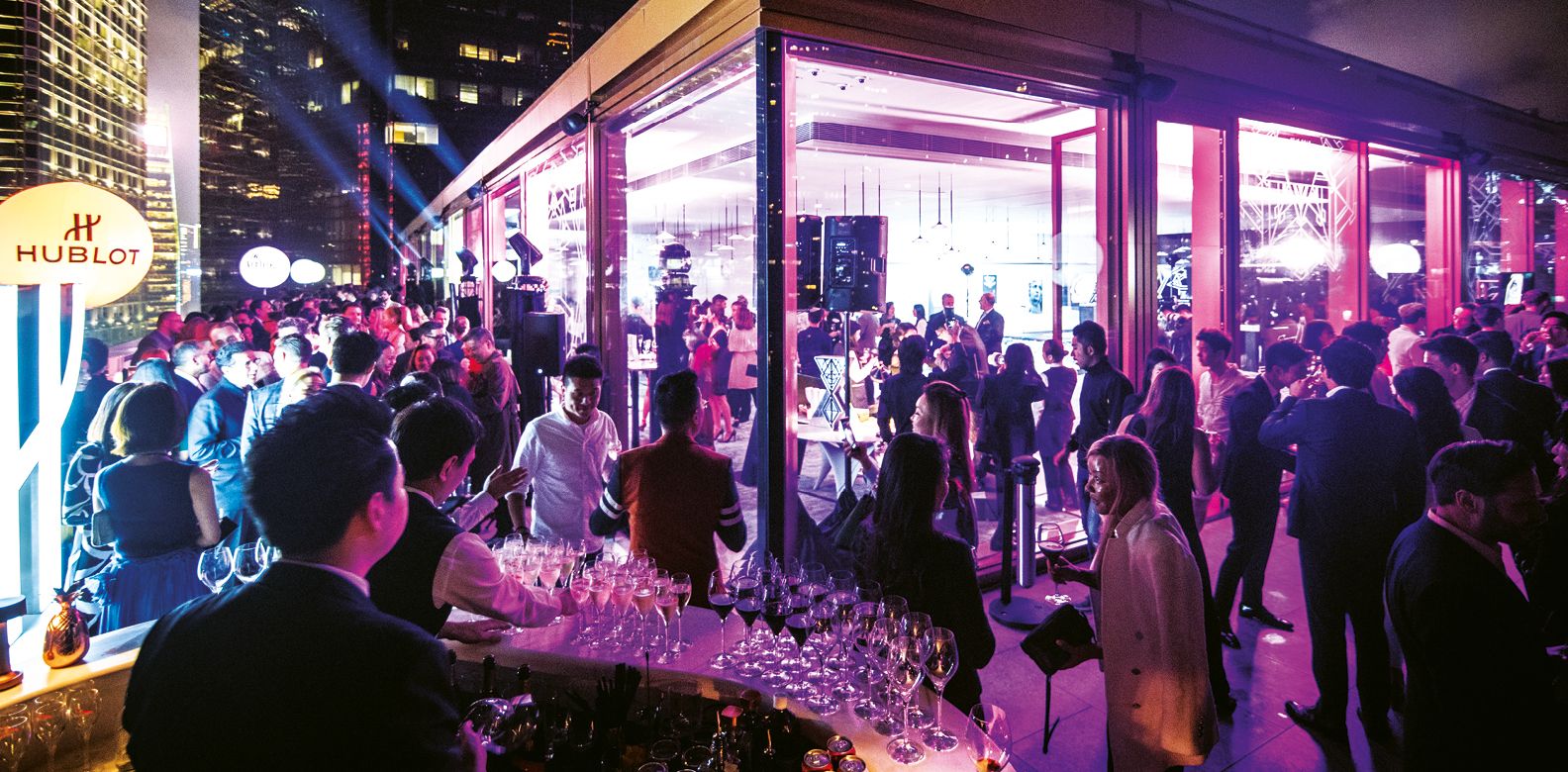
Social life during Art March is itself a form of cultural expression. Evenings are layered withVIP salons, institutional dinners, artist talks, and private viewings that defy easycategorisation. They embody the idea that art — especially at the highest echelons — is asmuch aboutcommunity and exchangeas it is about acquisition.The fair’s ancillary events — group presentations, performance art activations, andcross‑disciplinary forums — have begun shaping Hong Kong’s identity as an intellectualtheatre as much as a commercial hub.

A Blueprint for Regional Leadership

What makes Art March 2026 particularly consequential isn’t simply its success as a fairseason, but its affirmation ofregional agencyin shaping global art market rhythms. Asia’scollectors, curators, and institutions are no longer peripheral actors; they are centralparticipants whose influence is felt in every sale, every museum commitment, and everyscholarly dialogue.Hong Kong’s Art March did more than draw crowds — itredefined geographywithin theart world’s power map.


Read More  
Return to Giardini: National Narratives and Global Stakes at VeniceBiennale 2026

Return to Giardini: National Narratives and Global Stakes at VeniceBiennale 2026

Return to Giardini: National Narratives and Global Stakes at Venice Biennale 2026. Return to Giardini: National Narratives and Global Stakes at Venice Biennale 2026Anticipation and Diplomacy at the Art World’s Most Enduring Pageant.

Return to Giardini: National Narratives and Global Stakes at VeniceBiennale 2026Anticipation and Diplomacy at the Art World’s Most Enduring Pageant


BY  EDWARD WILLIAM - LION


The Venice Biennale the grand dame of global art exhibitions holds a singular place in the architecture of contemporary cultural production. Every edition recalibrates how nations, artists, and institutions conceive of modernity, identity, and influence. For 2026,the Biennale’s narrative is particularly charged: it marks a significant moment of reintegration, renewal, and geopolitical assertion.

Restoration and Relevance 

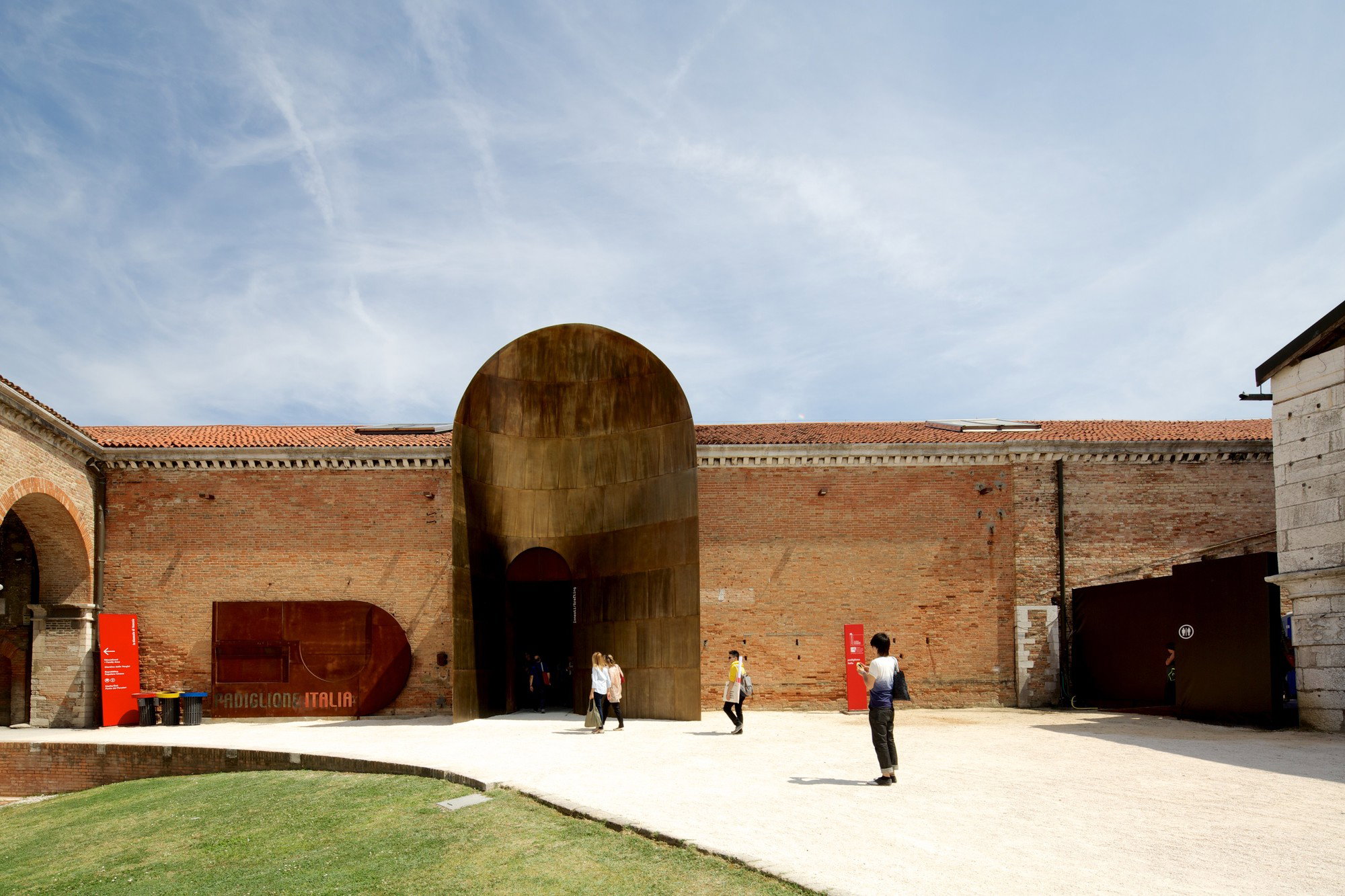
After a hiatus that saw several national pavilions absent or scaled‑down in previous cycles,2026 heralds a resurgence in global participation. Russia’s return to the Biennale  after diplomatic estrangement and cultural silences signals not only an artistic re‑entry but are engagement with the complex politics that such global cultural stages in evitable embody.

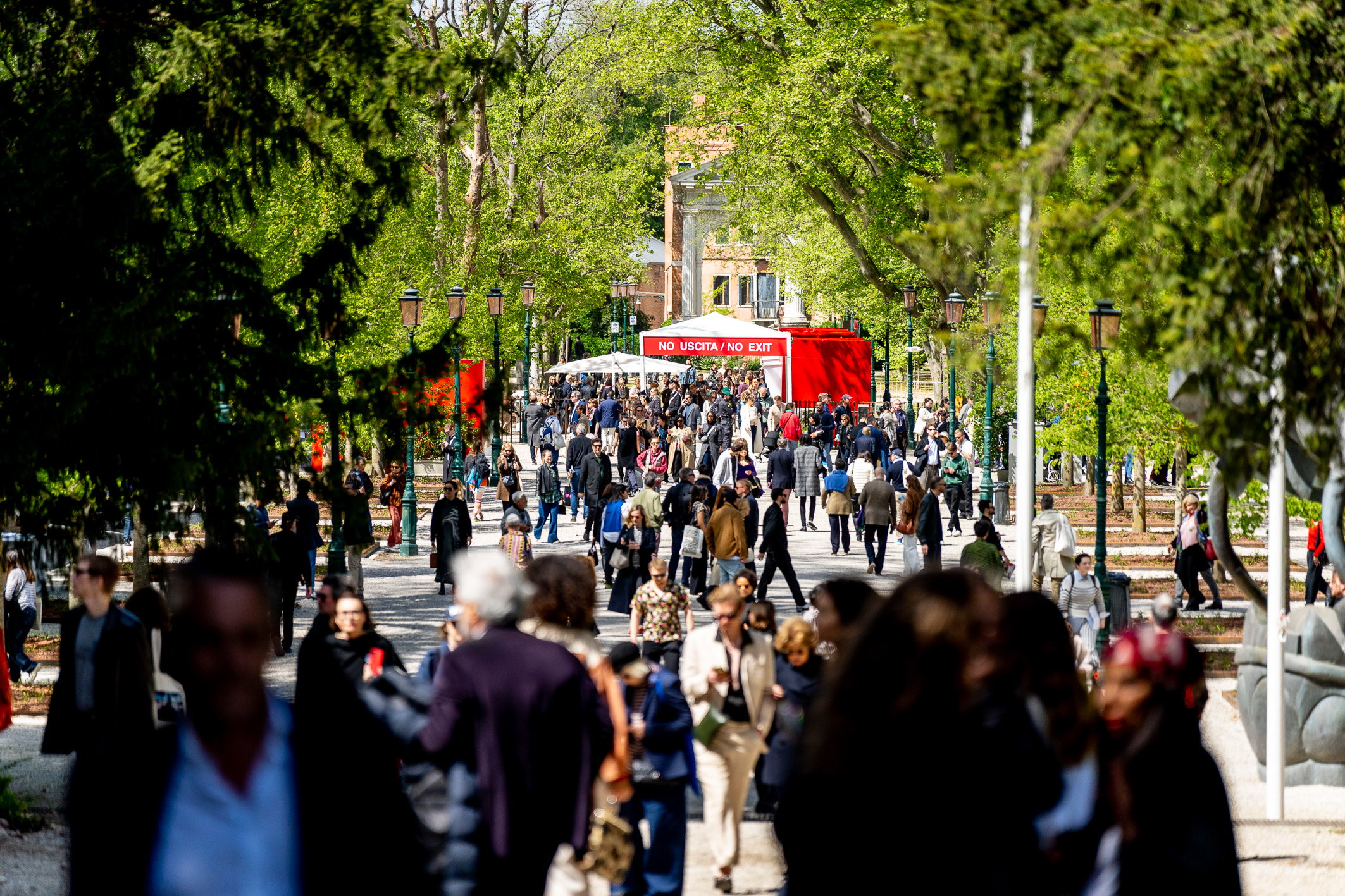
Giardini, the historic core of the Biennale, becomes a microcosm of the world’s cultural tensions and alliances  where curatorial intention meets national narrative, and where aesthetic innovation intersects with geopolitical messaging.


Artistic Stakes and Curatorial Ambition

Curators for 2026 are responding to an art world that is simultaneously moreinterconnected and more fraught than ever. Themes emerging across pavilionpresentations suggest a collective interest inecosystems of memory,decolonial frameworks,andhybridised futuresthat refuse singular origin stories.Artists are chosen not simply for their market traction, but for their capacity to articulatecultural autobiography— narratives that translate personal and national histories intoglobal dialogues. The Biennale thus becomes a forum where identity politics and aestheticexperimentation coalesce, forging exhibitions that are simultaneously intimate anduniversal.

The Geopolitics of Presence

The dynamics of presence — who is at the Biennale and in what capacity — have becomeas consequential as the works on display. Nations invest in their pavilions as embodimentsof soft power and cultural legitimacy. For emerging countries, this stage is an affirmationof artistic sovereignty; for established powers, it is an ongoing negotiation of influence.Russia’s reintegration, for instance, articulates a broader recalibration of Eastern Europe’splace within global cultural cartographies. Its pavilion is expected to spark intensediscussion — about historical mythologies, contemporary ruptures, and the role of statesponsorship in artistic production.

Biennale as Market Terrain

Unlike commercial fairs, the Biennale is not driven directly by sales. Yet its impact on theblue‑chip market is undeniable. Curators and collectors alike watch how artists resonatewithin the Biennale discourse, often setting the tone for gallery programming and auctionoutcomes in the year that follows.Participation, visibility, and critical reception here can translate into elevated marketpositioning, institutional acquisitions, and scholarly attention that reverberate far beyondVenice’s canals.

A Festival of Worlds  

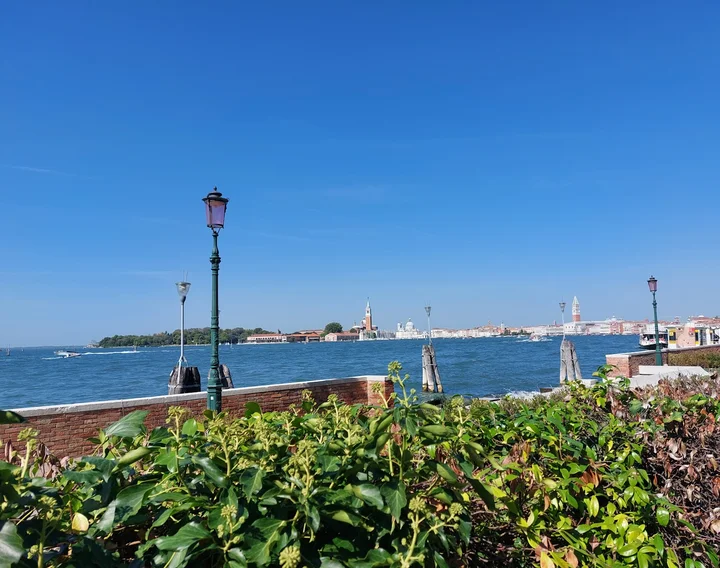
As the 2026 Biennale unfurls across its historic spaces Giardini, Arsenals, and the city’s myriad collateral sites  what emerges is not a single declaration, but a chorus of voices that testify to art’s capacity to reflect both rupture and reconciliation. In this edition, the Biennale is not merely an exhibition; it is a global forum, a space where artistic practice, national identity, and international diplomacy intersect in ways that sheathe next chapter of contemporary art.


Read More