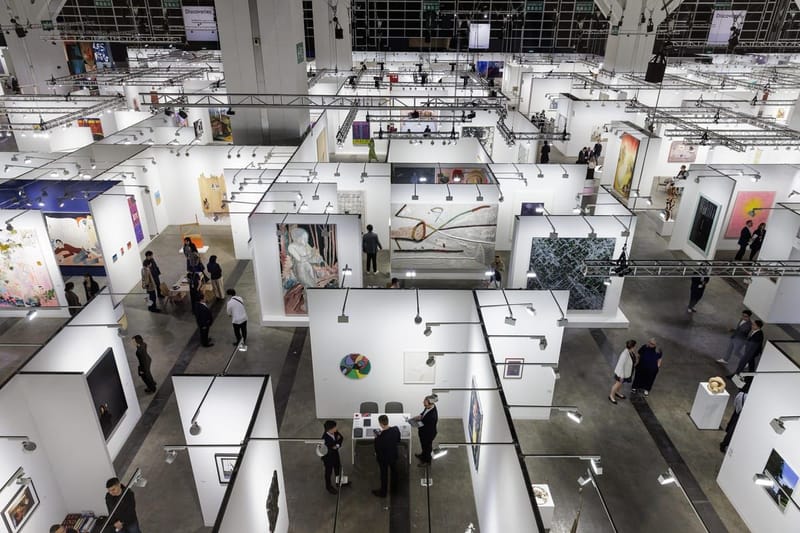
Every March, the pulse of the international art market shifts eastward. InHong Kong, a citylong positioned as a nexus between East and West, Art March has evolved from a regionalcuriosity into a central forum for global blue‑chip dialogue. With major fairs, museumopenings, and institutional programming converging in one concentrated calendar,
HongKong’s Art March 2026 was nothing less than a declaration:Asia matters and on its ownterms.
BY EDWARD WILLIAM - AC
The Anatomy of a Cultural Metropolis
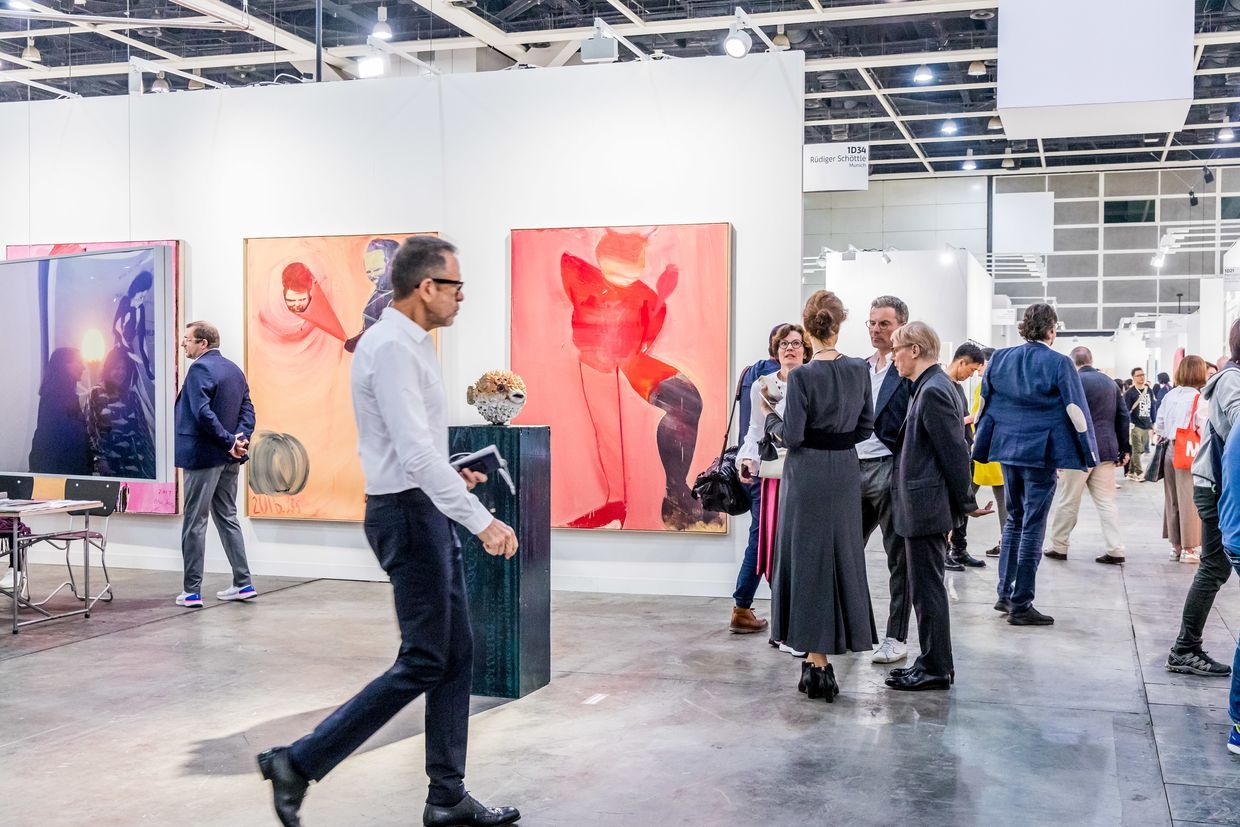
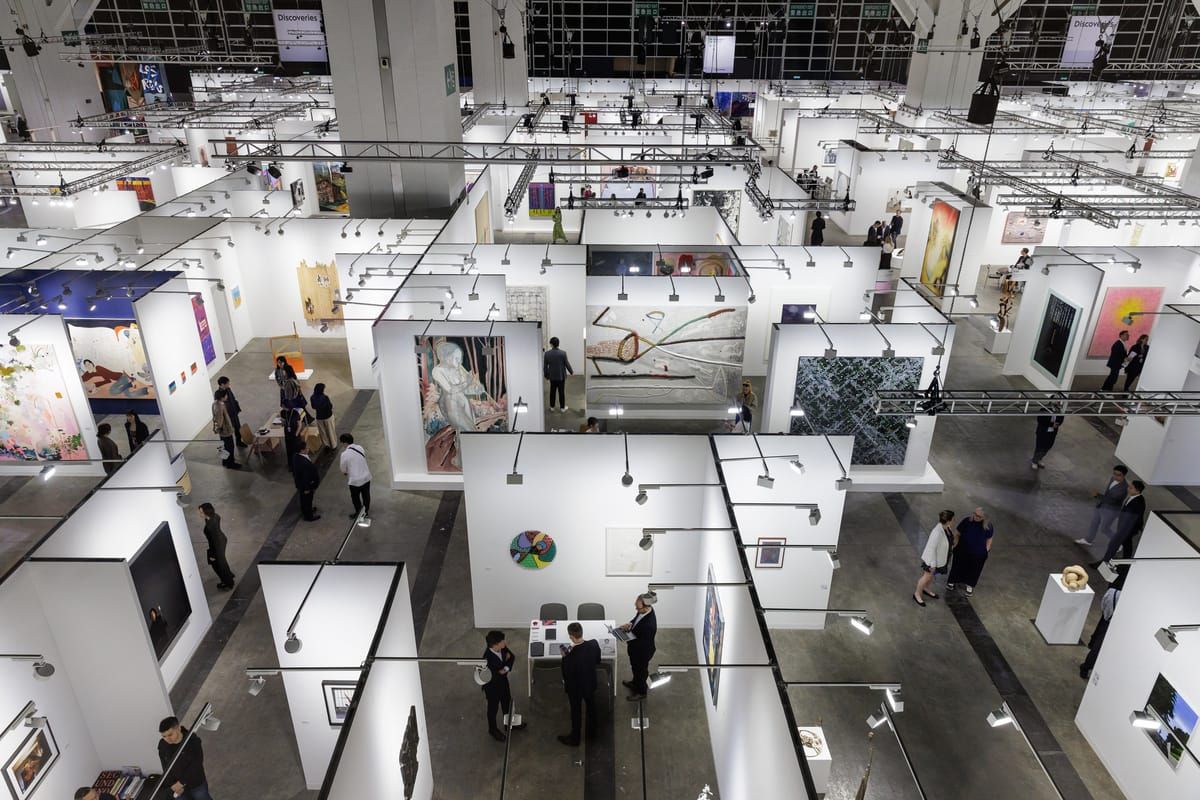
Art Basel Hong Kong remains the centerpiece of this month’s cultural choreography — notsolely because of its prestige, but because of thecontextin which it exists. Galleries andcollectors from Beijing, Seoul, Tokyo, Singapore, Dubai, Europe, and North Americadescend into the city, converging at the Hong Kong Convention and Exhibition Centre fora fair experience that blends commerce with cosmopolitan flair.
The fair’s program is meticulously balanced: established blue‑chip galleries anchor themain halls with canonical works from post‑war masters alongside key contemporaryfigures, while satellite sections and curated sectors amplify emerging voices from acrossthe Asia‑Pacific.Collectors often speak of thefirst lookpreview — an opening that resembles a theatricalpremiere more than a commercial event — wherein the truly consequential transactionsand cultural commitments are whispered among the elite long before the public daysbegin
Curatorial Layering: Beyond the Marketplace
What differentiates Hong Kong’s Art March from other fairs is itslayered culturalinfrastructure. Museums such as M+, Para Site, and Tai Kwun host concurrent exhibitionsthat range from retrospective surveys to cutting‑edge installations, allowing fairgoers totransition — almost seamlessly — between blue‑chip market spaces and deep scholarlyengagement.It is this blend ofcommerce and cultural rigourthat positions Hong Kong as a vitalcounterpart to the Basel legacy. Galleries curate booths that are as much exhibitions asthey are market showcases, presenting works with contextual narratives and intentionalcross‑referencing to the region’s historical and contemporary currents.
Cross‑Cultural Resonances
Art March’s vibrancy is also a result of itsdemographic hybridity. The international collector— once typified as a Western elite — now shares the space with influential Asian andMiddle Eastern patrons whose perspectives on collecting often prioritize narrative depthand cultural resonance over pure rarity or price dynamics.For many of these collectors, Hong Kong represents abridge— a place where Asianartistic narratives engage with Western art historical canon on equal footing.
This dialogueplays out not only in gallery presentations but in curatorial partnerships, museumcollaborations, and long‑term collection strategies.
Beyond the Fair: Social Architecture of Art
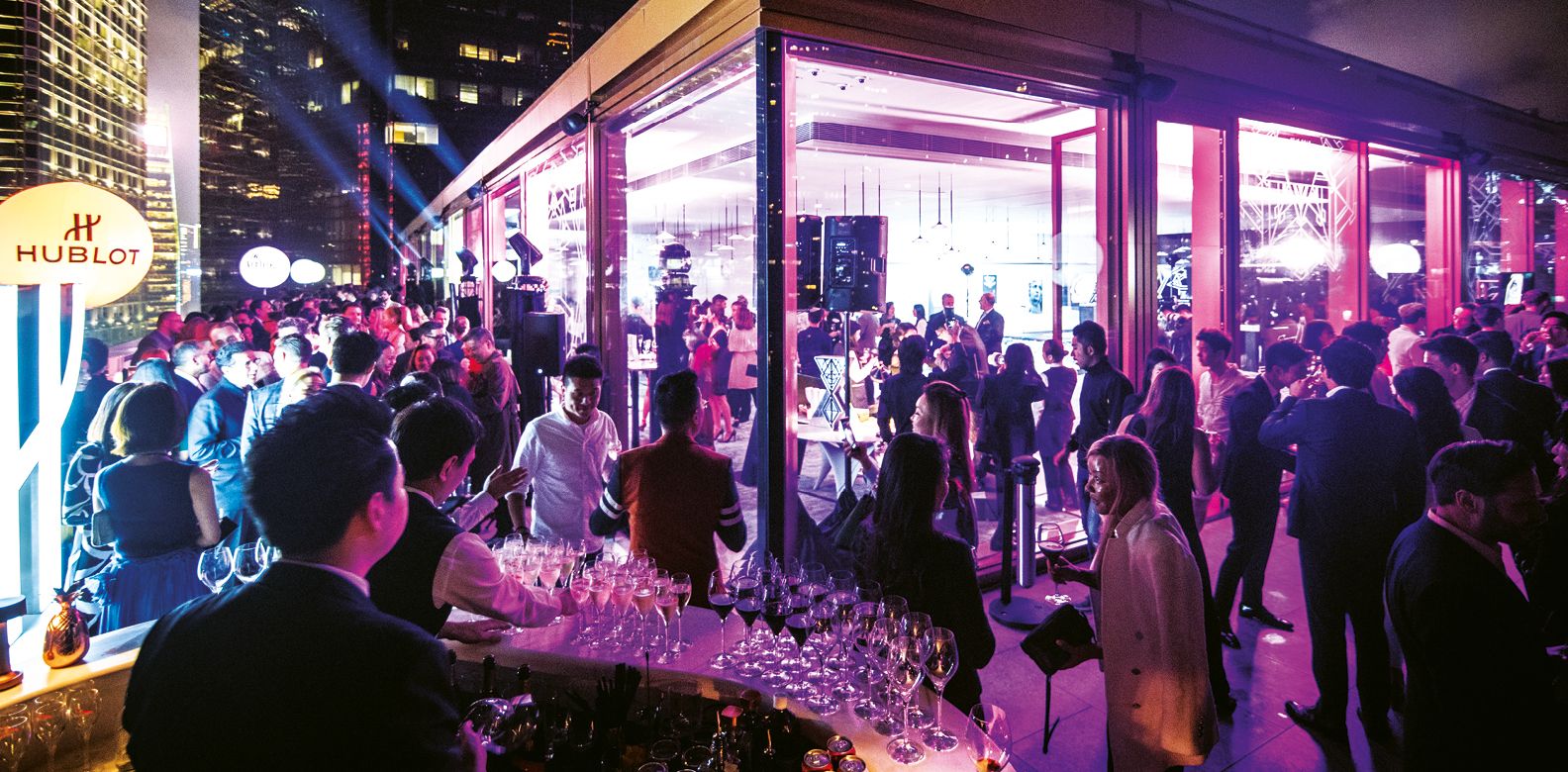
Social life during Art March is itself a form of cultural expression. Evenings are layered withVIP salons, institutional dinners, artist talks, and private viewings that defy easycategorisation. They embody the idea that art — especially at the highest echelons — is asmuch aboutcommunity and exchangeas it is about acquisition.The fair’s ancillary events — group presentations, performance art activations, andcross‑disciplinary forums — have begun shaping Hong Kong’s identity as an intellectualtheatre as much as a commercial hub.
A Blueprint for Regional Leadership
What makes Art March 2026 particularly consequential isn’t simply its success as a fairseason, but its affirmation ofregional agencyin shaping global art market rhythms. Asia’scollectors, curators, and institutions are no longer peripheral actors; they are centralparticipants whose influence is felt in every sale, every museum commitment, and everyscholarly dialogue.Hong Kong’s Art March did more than draw crowds — itredefined geographywithin theart world’s power map.