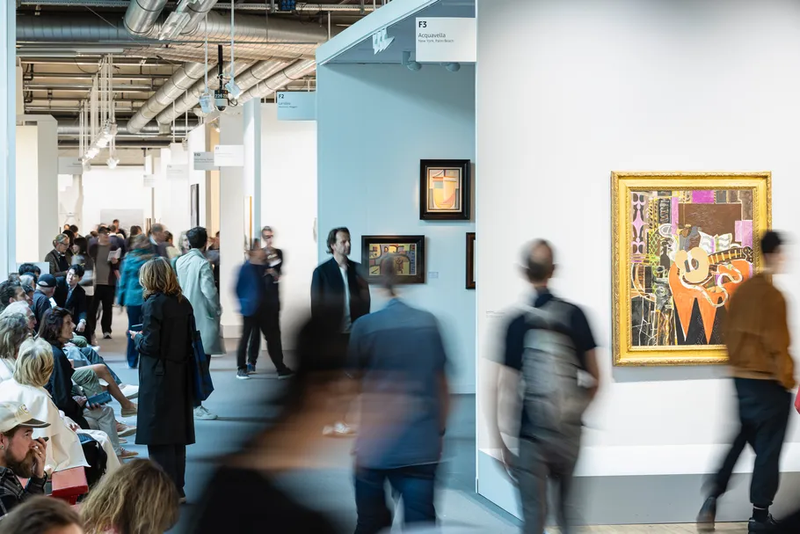
How Art Basel’s 2026 Swiss Edition Redrew the Rules of Global Blue‑ChipDiplomacy
By Amy Lopez
When Art Basel opens its doors again in Basel — the fair’s spiritual home in 2026,insiders will be watching not just for marquee names and blockbuster sales, but for the subtler recalibration of what blue‑chip prestige means in an art world that has weather demarked contraction, geopolitical upheaval, and the rise of non‑traditional arenas of cultural influence. Art Basel has always been more than an art fair; it is market ritual, collector pilgrimage site, and increasingly a strategic hub in global cultural diplomacy.
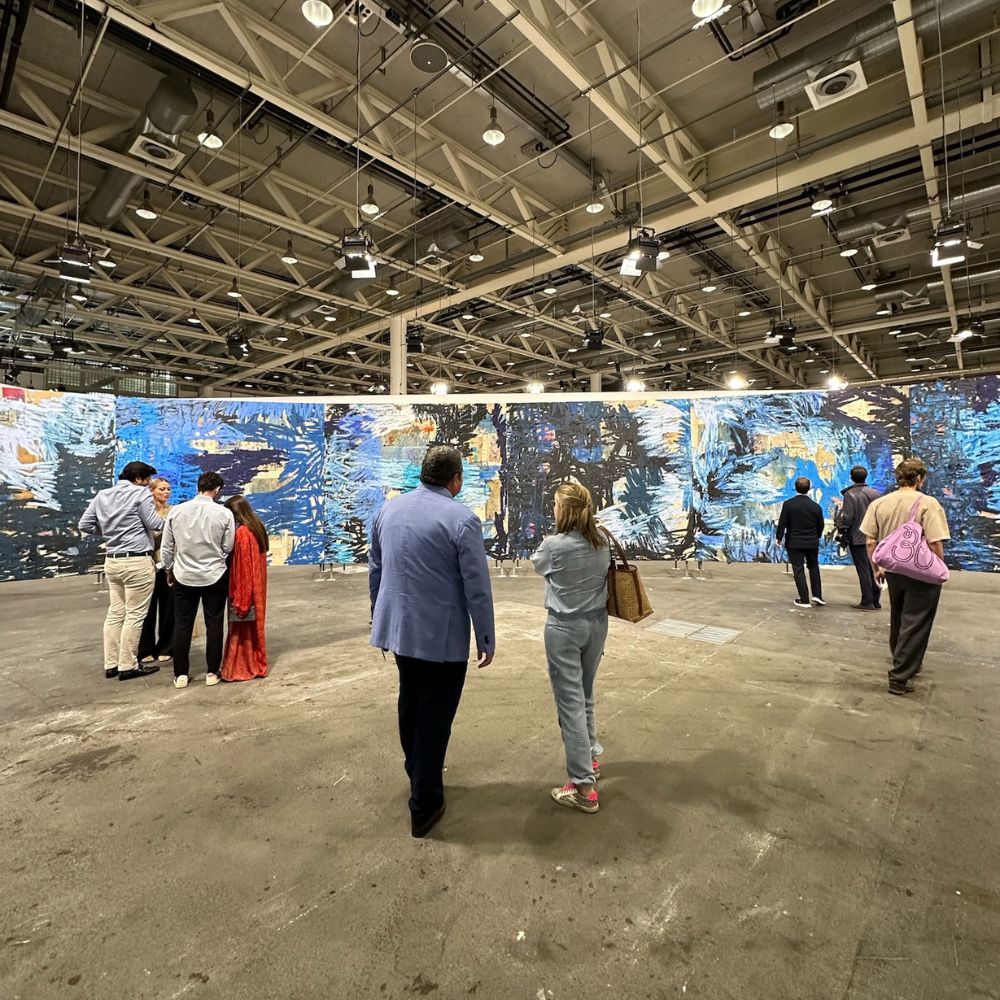
Image source: Flickr
From Basel to the World: A Fair in FluxWith 290 gallery participants representing over four dozen countries, the 2026 Baseledition stands as a testament to the fair’s enduring magnetism for power collectors andinstitutional curators alike. Yet beneath the impressive roster lies a shifting zeitgeist:
galleries and stakeholders are navigating a marketplace where exclusivity no longer simplymeans price tags, but means cultural relevance, narrative control, and experiential curation.In previous years, success was measured in trophy works and record sale figures. In 2026,the conversation has expanded to encompasscultural capital, with galleries seeking toshape the fair’s narrative arcs through thematic clusters, immersive installations, andcross‑disciplinary dialogues. Basel is no longer just a sales floor — it is a stage on whichglobal art discourseis written and rewritten.
The New Collector ProfileCollectors today are a more heterogeneous cohort than a decade ago. Alongsideestablished Western patrons, there is an unmistakable rise of collectors emerging fromAsia, the Middle East, and beyond, who bring different collecting philosophies andinstitutional ambitions. Their presence at Basel reflects not just purchasing power but adesire to shift how artistic value is defined on a global scale.Dealers have adapted accordingly. In 2026, it’s not uncommon to see galleries framingtheir offerings with bespoke intellectual programming — salon discussions, curatorwalk‑throughs, and digital experiences — aimed at engaging these sophisticated newparticipants in ways that extend beyond transactional exchange.Beyond the Booth: Curatorial FuturesCuratorial programming at Basel 2026 has increasingly adopted athematic resonancethatspeaks to urgent global concerns: ecology, post‑colonial narrative reclamation, digitalhybridity, and embodied identity. Galleries are no longer merely showing art; they arestaging arguments — and Basel’s architecture is responding.From specially commissioned site‑specific works to AI‑enhanced immersive environments,the fair blends high art craftsmanship with emerging conceptual technologies. It’s a terrainwhere tradition meets innovation, inviting attendees to ponder not onlywhatthey arelooking at, butwhyit matters in the unfolding cultural moment.A New Language of ValueIn past cycles, the Basel world was dominated by auction house buzz, market indexes, andheadline sales numbers. Today, value is as much aboutnetwork ecologythe quality ofintellectual affiliations, museum commitments, and secondary market resonance as about high‑water prices.
Venues that once competed primarily on rarity now compete on relevance: who curatedthe most compelling narrative arc, whose pavilion sparked the most meaningful scholarlyinterest, whose programming best captured the spirit of a globally connected artecosystem.