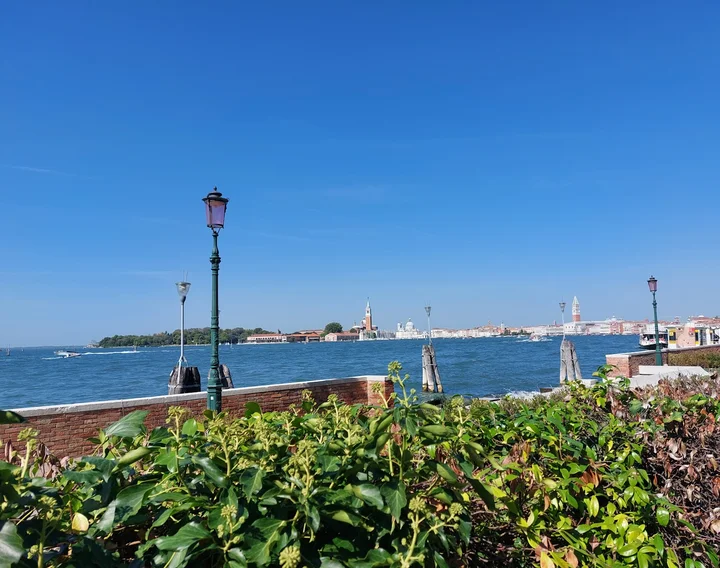
Return to Giardini: National Narratives and Global Stakes at VeniceBiennale 2026Anticipation and Diplomacy at the Art World’s Most Enduring Pageant
BY EDWARD WILLIAM - LION
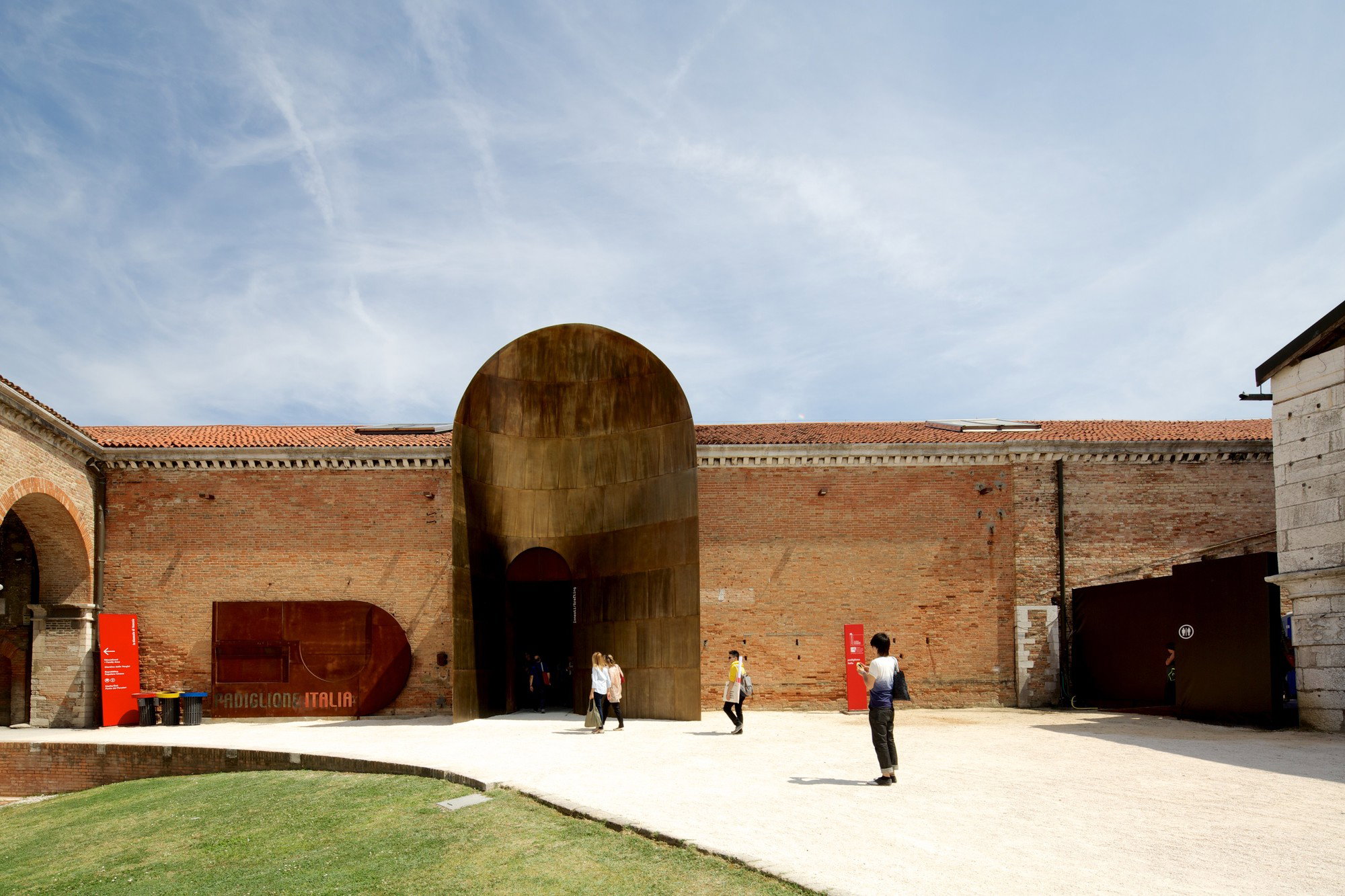
The Venice Biennale the grand dame of global art exhibitions holds a singular place in the architecture of contemporary cultural production. Every edition recalibrates how nations, artists, and institutions conceive of modernity, identity, and influence. For 2026,the Biennale’s narrative is particularly charged: it marks a significant moment of reintegration, renewal, and geopolitical assertion.
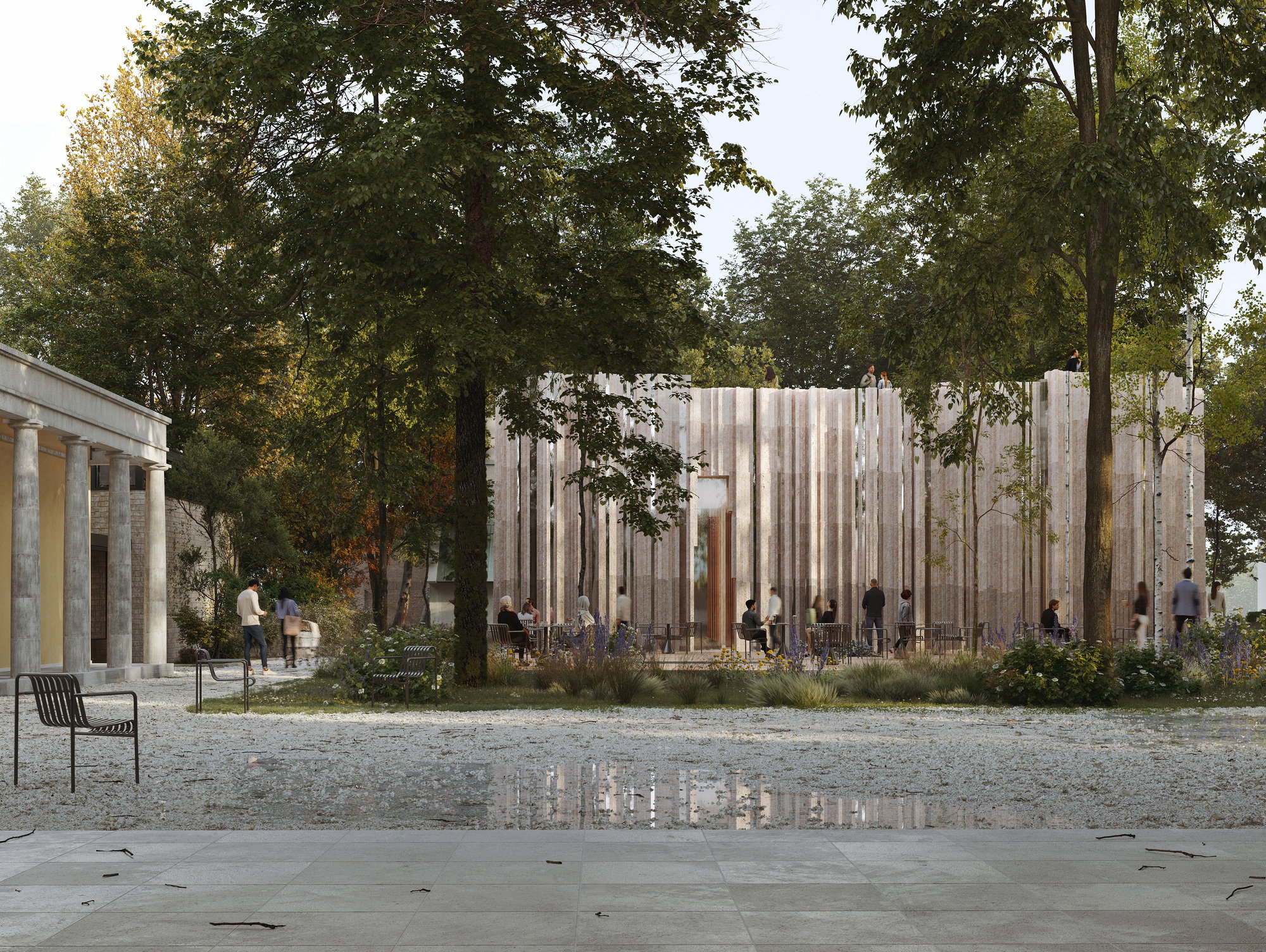
Restoration and Relevance
After a hiatus that saw several national pavilions absent or scaled‑down in previous cycles,2026 heralds a resurgence in global participation. Russia’s return to the Biennale after diplomatic estrangement and cultural silences signals not only an artistic re‑entry but are engagement with the complex politics that such global cultural stages in evitable embody.
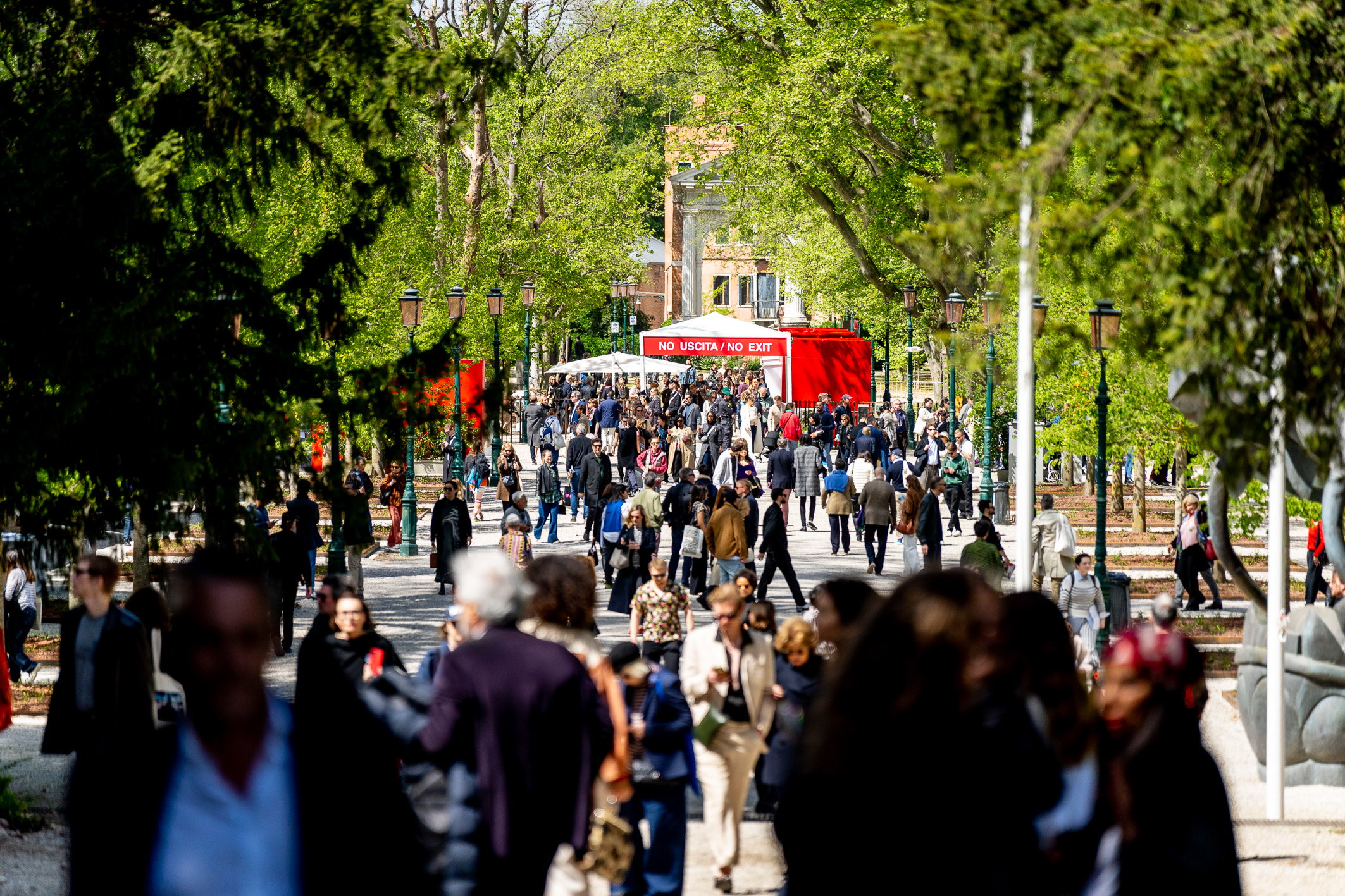
Giardini, the historic core of the Biennale, becomes a microcosm of the world’s cultural tensions and alliances where curatorial intention meets national narrative, and where aesthetic innovation intersects with geopolitical messaging.
Artistic Stakes and Curatorial Ambition
Curators for 2026 are responding to an art world that is simultaneously moreinterconnected and more fraught than ever. Themes emerging across pavilionpresentations suggest a collective interest inecosystems of memory,decolonial frameworks,andhybridised futuresthat refuse singular origin stories.Artists are chosen not simply for their market traction, but for their capacity to articulatecultural autobiography— narratives that translate personal and national histories intoglobal dialogues. The Biennale thus becomes a forum where identity politics and aestheticexperimentation coalesce, forging exhibitions that are simultaneously intimate anduniversal.
The Geopolitics of Presence
The dynamics of presence — who is at the Biennale and in what capacity — have becomeas consequential as the works on display. Nations invest in their pavilions as embodimentsof soft power and cultural legitimacy. For emerging countries, this stage is an affirmationof artistic sovereignty; for established powers, it is an ongoing negotiation of influence.Russia’s reintegration, for instance, articulates a broader recalibration of Eastern Europe’splace within global cultural cartographies. Its pavilion is expected to spark intensediscussion — about historical mythologies, contemporary ruptures, and the role of statesponsorship in artistic production.
Biennale as Market Terrain
Unlike commercial fairs, the Biennale is not driven directly by sales. Yet its impact on theblue‑chip market is undeniable. Curators and collectors alike watch how artists resonatewithin the Biennale discourse, often setting the tone for gallery programming and auctionoutcomes in the year that follows.Participation, visibility, and critical reception here can translate into elevated marketpositioning, institutional acquisitions, and scholarly attention that reverberate far beyondVenice’s canals.