Banksy and the Blue-Chip Boom: Inside the Art Market Turmoil of Late 2025
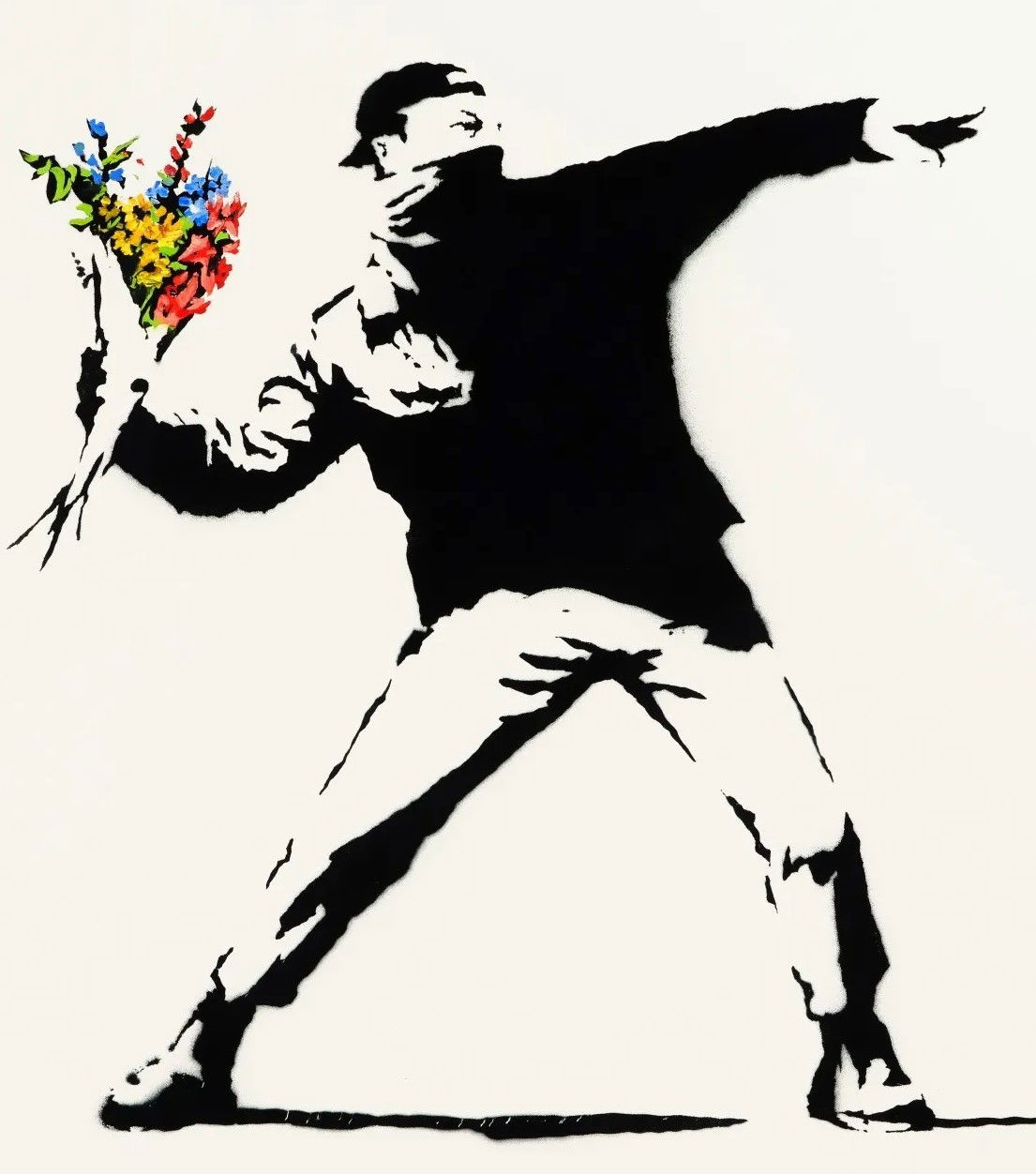
Record Prices, Political Shockwaves, and a Market Racing Toward Reinvention
By Edward William
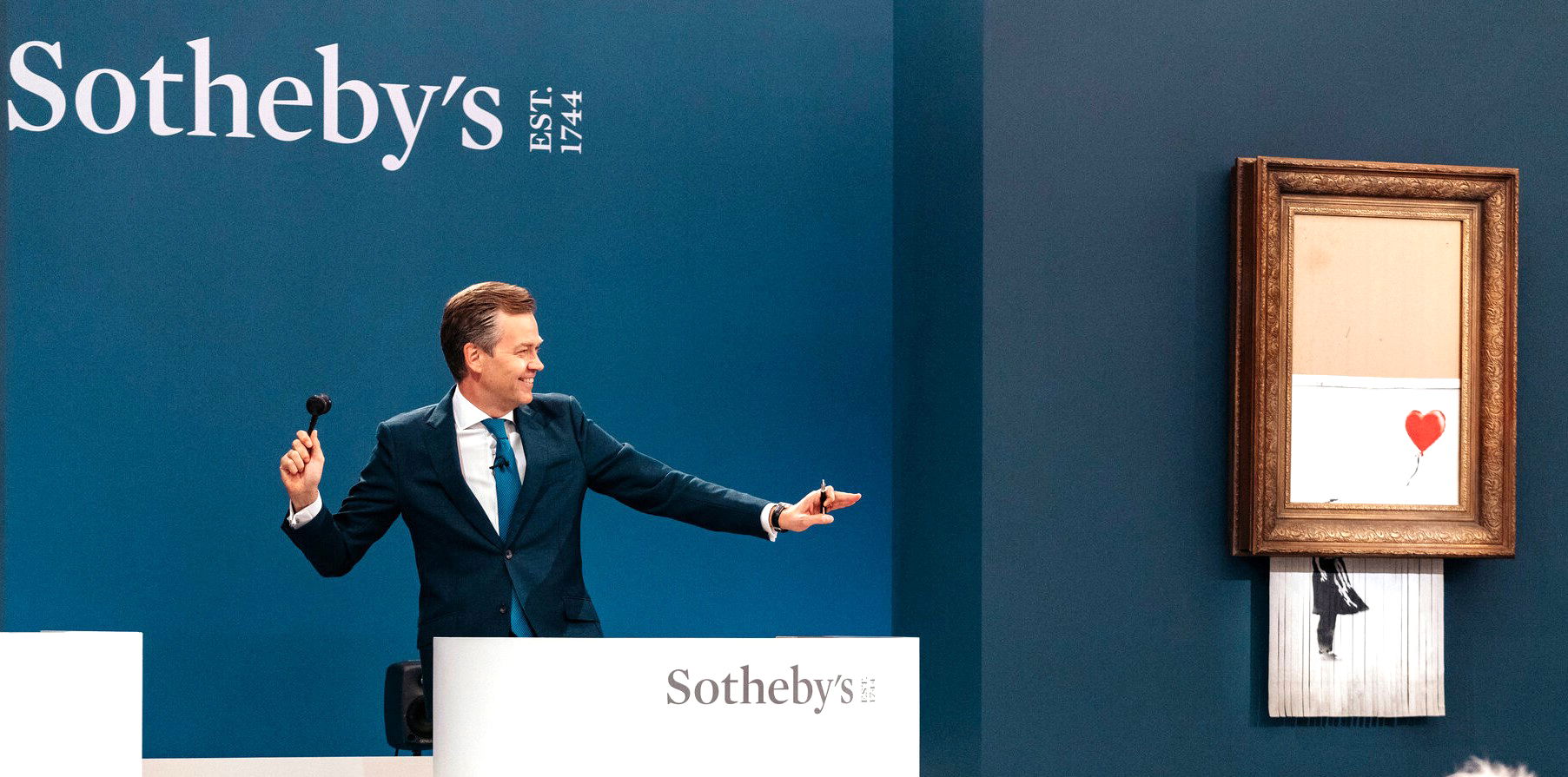
Image Source:
THE BANKSY BOUNCE RETURNS :
After a softening market through early 2024, October 2025 marked a dramatic reversal for blue-chip contemporary art — led once again by the elusive street icon Banksy. A surprise offering at Sotheby’s London ignited international bidding wars as “Flower Riot Redux”, a previously unknown variant of his early graffiti series, sold for $18.2 million, setting a two-year high for the artist.
“Collectors aren’t just buying Banksy they’re buying cultural insurance.”
Maria Valente, Senior Specialist, Sotheby’s Contemporary Art Analysts credit the surge to a mix of political instability, U.S.–EU cultural tensions, and a notable shift toward activist art a category where Banksy remains unmatched.
BLUE-CHIP ARTISTS FACE GLOBAL SCRUTINY:
While prices soared, blue-chip artists found themselves at the center of political controversy. In November, the U.K.’s Department for Digital, Culture, Media & Sport launched a review into “cultural subversion funding,” alleging that several activist artworks — including pieces attributed to Banksy — were used by political groups without permission. Major galleries worldwide issued statements defending the right to political expression.
“Art is not propaganda — it is resistance. Blue-chip artists are being targeted because they are influential.”
Elena Ruiz, Director, Museo Internacional de Arte Contemporáneo, Madrid Meanwhile, collectors in Asia and the Middle East accelerated purchases of blue-chip activist art, seeking works that “capture the zeitgeist” amid escalating geopolitical tensions.
MARKET FRENZY MEETS LEGAL UNCERTAINTY:
December brought a startling twist: a new lawsuit filed in New York against Pest Control, the entity that authenticates Banksy’s works. A private collector claimed that a multimillion-dollar piece purchased in 2021 was later declassified as non-Banksy due to “authorization inconsistencies.” The case has sent shockwaves through the high-end market, raising concerns about authenticity stability for anonymous or partially anonymous artists.
“If Banksy ever chose to reveal his identity, the market would double overnight — but the mythology would collapse.”
Jean-Luc Marveau, Art Economist, Paris School of Cultural Finance Despite the lawsuit, December sales remained robust. Christie’s New York reported that Banksy artworks accounted for 9% of all contemporary auction revenue for the month a stunning figure in a market that also includes giants like Koons, Hockney, Kusama, and Richter.
THE BLUE-CHIP ARTIST OUTLOOK FOR 2026:
Analysts predict a high-volatility, high-value year ahead for blue-chip contemporary artists. Key drivers:
- Political Uncertainty → Higher demand for activist art
- Anonymous artist premium → Banksy maintains cultural dominance
- Institutional investing increases as funds acquire socially charged works
- Digital provenance tech expanding, reducing authentication fears
Banksy leads the charge, but other politically engaged artists — including JR, Tavares Strachan, and Jenny Holzer — have also seen renewed demand.